Nour Hassoun (MSAUD '22): Meet the UCLA AUD alum building the tools, and the future, of ethical AI collaboration
Jul 7, 2026
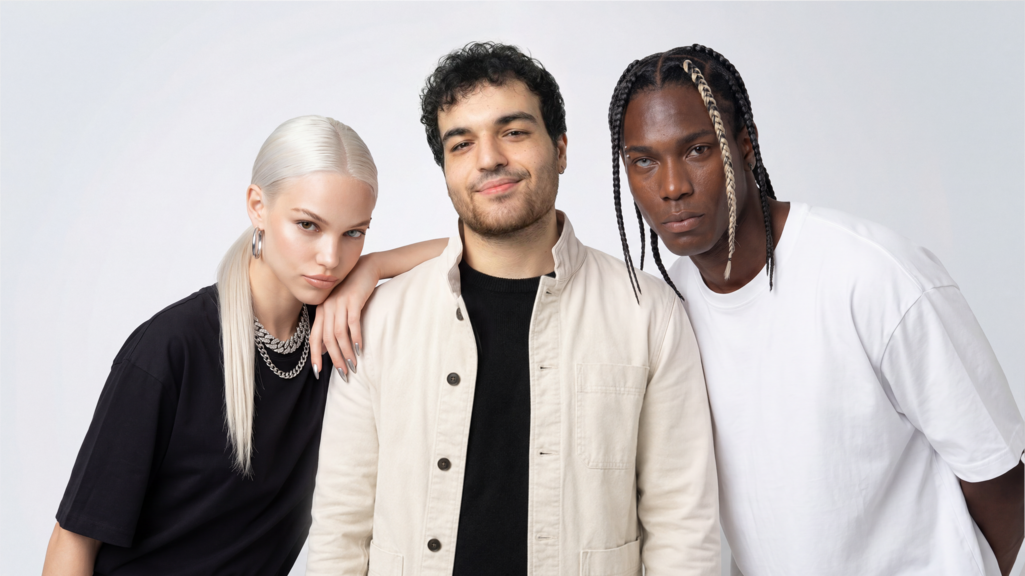
Nour Hassoun (MSAUD '22) is a licensed architect and creative technologist working within the intersections of media, technology, and design. Hassoun recently founded Impersonas, a startup that allows talent, creators, and public figures to create, manage, and license their likenesses in video content, with focus on ethical licensing and user consent. His work ranges from filmmaking and game design, to visual programming, immersive media, and digital human research. Hassoun also is a lecturer at the American University of Beirut’s School of Architecture and Design (some work from his American University of Beiruit studio appears after this interview).
Hassoun graduated from UCLA AUD’s MSAUD program in 2022, with a concentration in the MSAUD Entertainment Studio (now: Speculative Worlds Studio). Among other honors, Hassoun has earned a Fulbright Scholarship and has exhibited work in Beirut, Los Angeles, Nice, Vancouver, Sydney, Abu Dhabi, and elsewhere.
AUD caught up with Hassoun as Impersonas, and the fields it engages, are experiencing immense, rapid growth and new challenges.
You’ve been up to a lot of different work since graduation. Catch us up to speed.
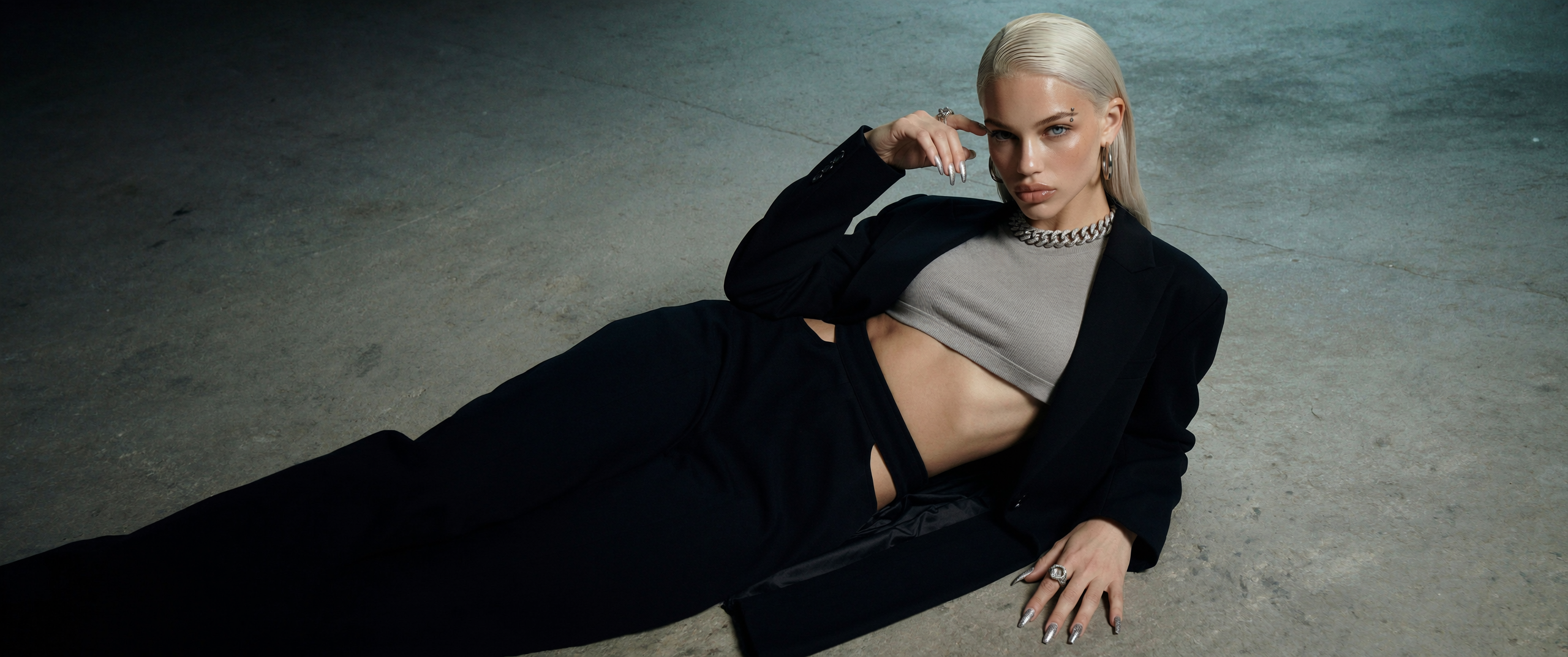
I think the best way to put it is this: I am putting my creator hat down and focusing on building the tech that creators want, a platform in which talent can license their likeness ethically, as opposed to campaigns filled with unauthorized deepfakes. Ideally, we can create an ecosystem of democratized creative collaboration.
One big goal is to enable others in creative spaces to collaborate with talent they couldn't otherwise dream of working with. Imagine if your team could license your favourite actor for your little indie game. Or if you could localize content in twenty different languages, but keep the voice of the talent you're collaborating with. To me, this would have been a dream to have as a creator.
Right now, we're launching a new campaign, “We exist because creativity exists.” We're collaborating with creatives, whether they're individuals, studios, or marketing departments, to use our first two impersonas as creatively and freely as they can. We want to see what's possible with a digital double, and platform some of the most creative work. It's our way of saying, “Go wild.”
We have some events later in the year in LA, New York, and Beirut, and we'll be showcasing some of this work to our community.
I’ve started joking that one day, I may take a break from Impersonas, to go ahead and use Impersonas. That's how excited I am about what we're building. You can't fake that.
Five years ago, what would you have imagined this sort of design endeavor looking like? And what do you imagine it could look like five years from today?
I can say for a fact that I would not have imagined myself being a startup founder. I think it's one of those things that are very exciting when it finds you, and not when you seek it. You're almost entering with full conviction. You're fired up.
And so I want to translate that into something valuable. I'd like to imagine that in five years, we could see a Tame Impala show with their impersonas performing in five other arenas, or visit Wembley Stadium and talk to a hologram of David Beckham. It’s so important to me to know that these things could exist because we created an infrastructure where talent can get paid for such collaborations, while creators benefit from new levels and freedom of access.
How did you go from the MSAUD program at UCLA AUD to creating this platform?
Before the MSAUD program, I had earned a Bachelor of Architecture with two minors: one in 3D animation, and another in digital media. I was always interested in speculative worldbuilding and the tools we use to showcase fictional worlds, and less interested in pursuing architecture as “construction.” I studied architecture at the time because there were no game design programs in Lebanon (which is not the case anymore).
MSAUD, and especially the program’s Entertainment Studio [now Speculative Worlds Studio], felt like a natural continuation of those skills. It was almost designed like a combination of my interests, helping me somehow turn them into a real practice. The fact it was STEM-designated also implied that I would build or play with tech tools, which was a priority.
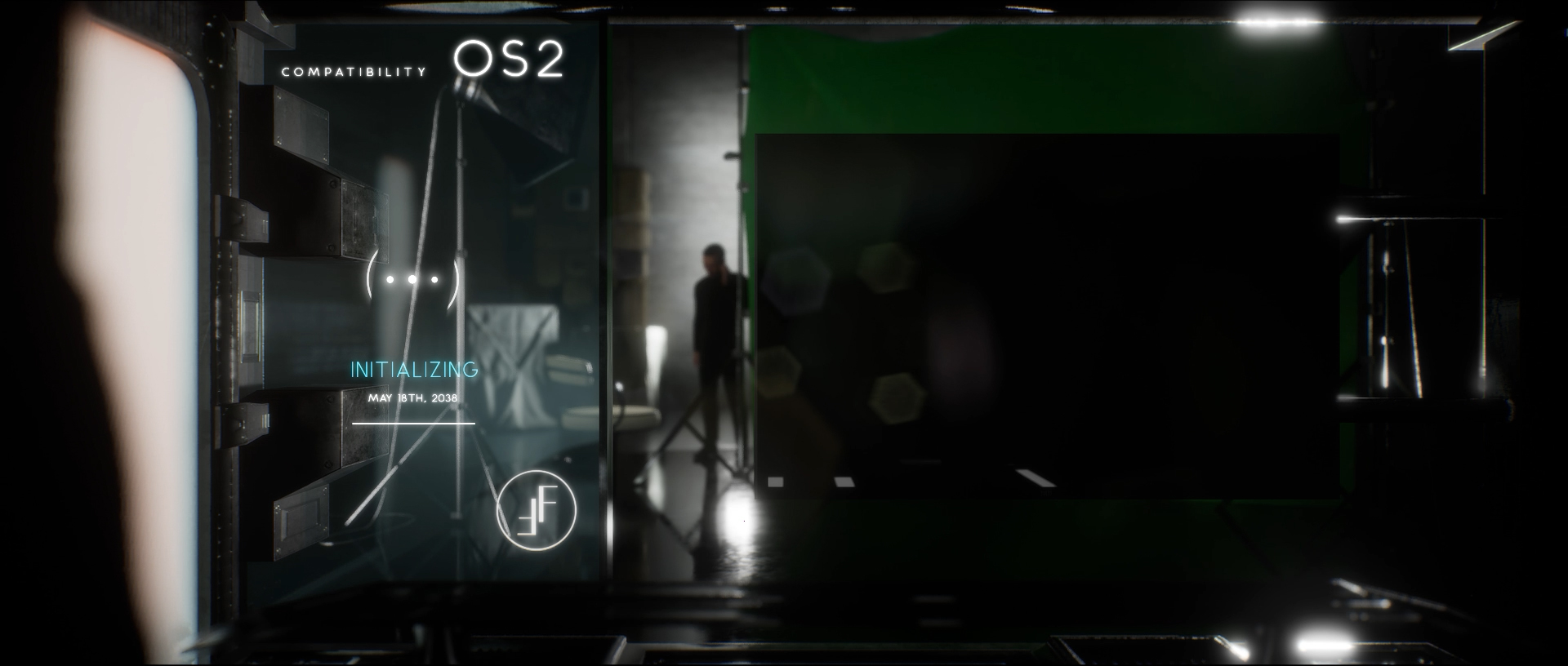
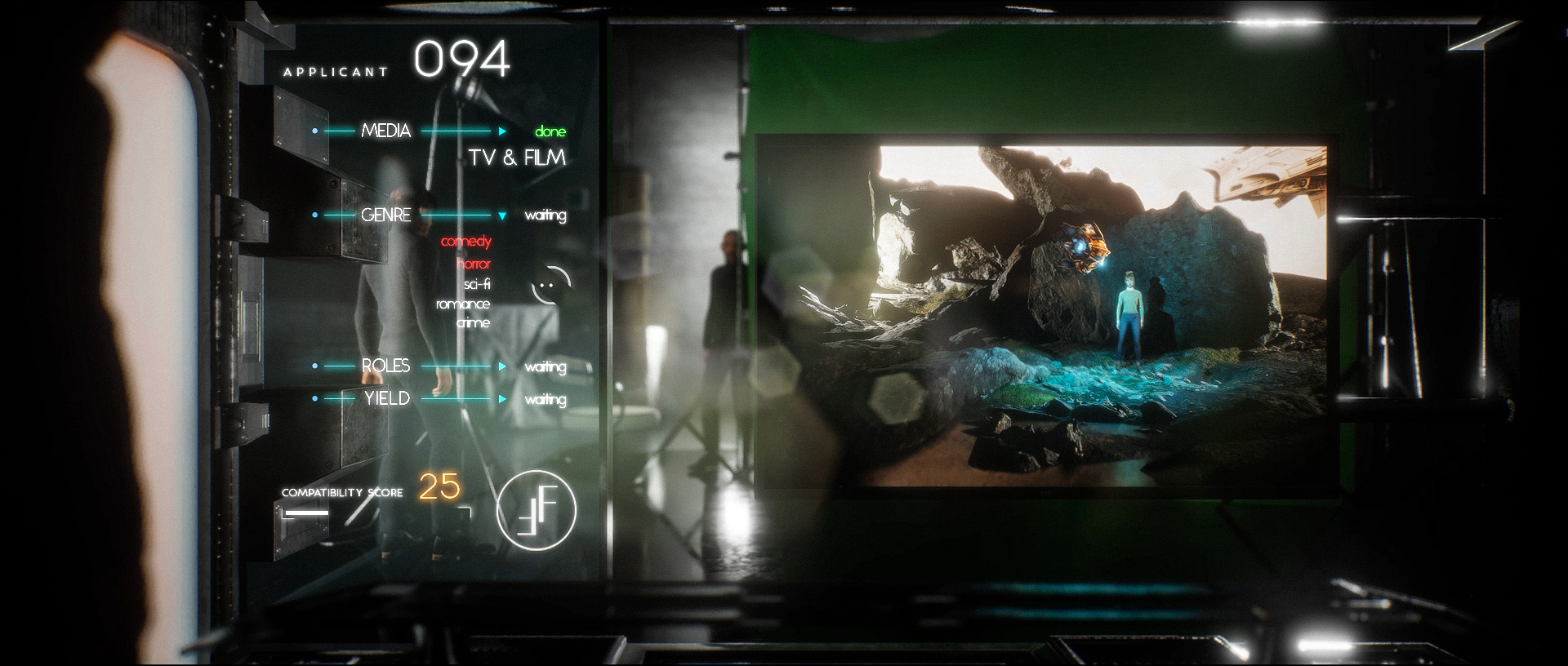
What were some of your motivations or priorities in terms of how you applied the degree and what you learned?
The MSAUD program fostered a culture of “learning by doing.” We had access to a range of tech and tools, especially Nathan Su’s Phygital Laboratory, where the tool was a byproduct of the conceptual framework. All these things felt both fun and very liberating from the traditional “-isms” of architecture and how it is traditionally taught. I wanted to maintain a sense of that freedom when I graduated.
It took some testing. I jumped from directing game engine cinematics for video game studios to producing trailers and visual media for brands. I realized: I wanted to do a range of different projects, and customize tools to each project. Turns out there's a name for that: creative technologist.
Impersonas was a direct continuation of that Phygital Laboratory experience with Nathan. Collaborating with other students, I set up a framework for using digital humans in films and other media. I started sensing something powerful: The way these processes were becoming autonomous, with new advancements in mocap tech, MetaHumans, and so much more. Something lit up within me.
We presented our work at that year’s Talent Fair, offering the department's first interactive digital human installation. People could just walk up and puppeteer a realistic digital double on screen. The excitement and the questions were contagious. There was something there that made me feel, “We're on to something.”
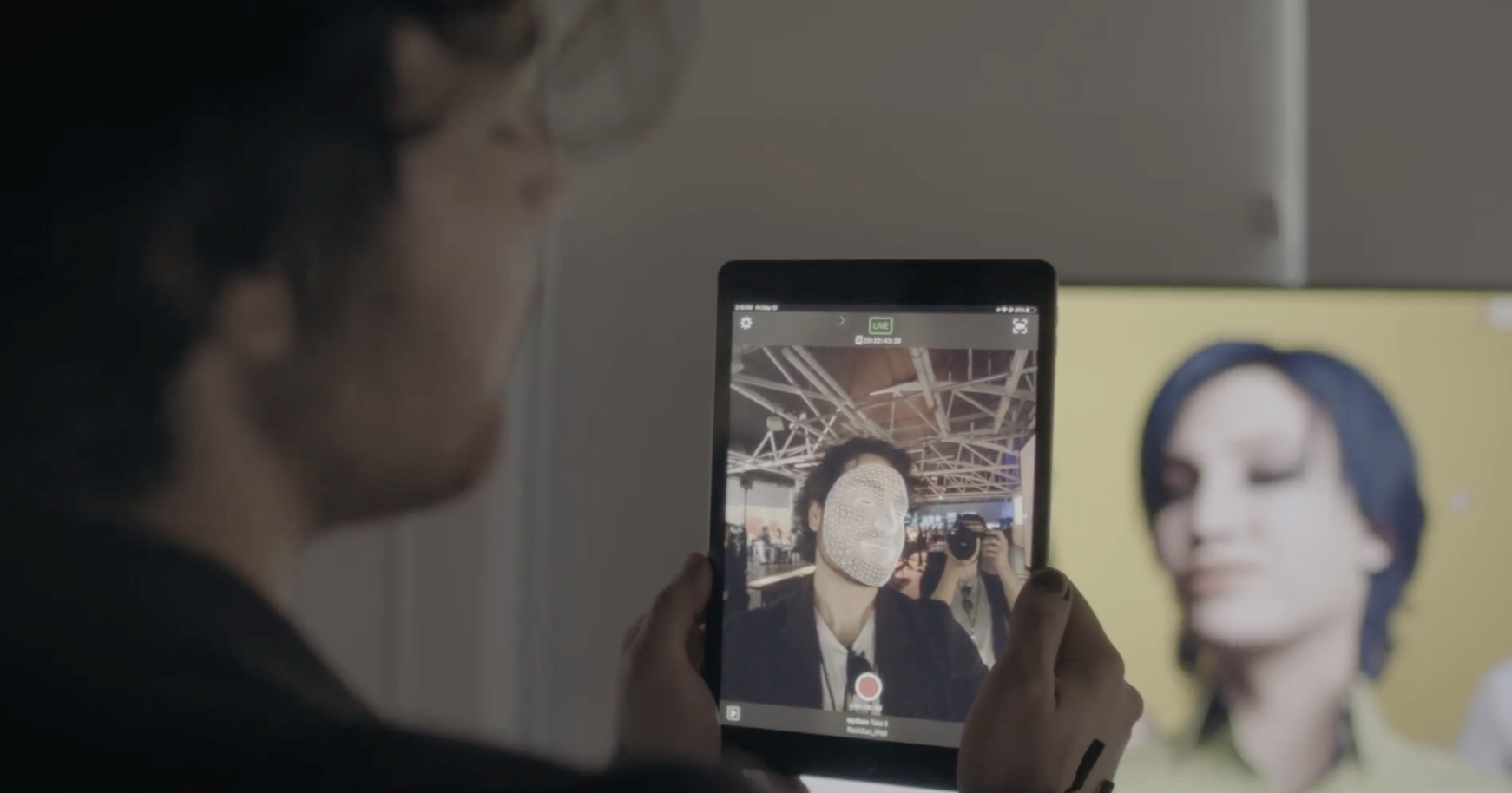
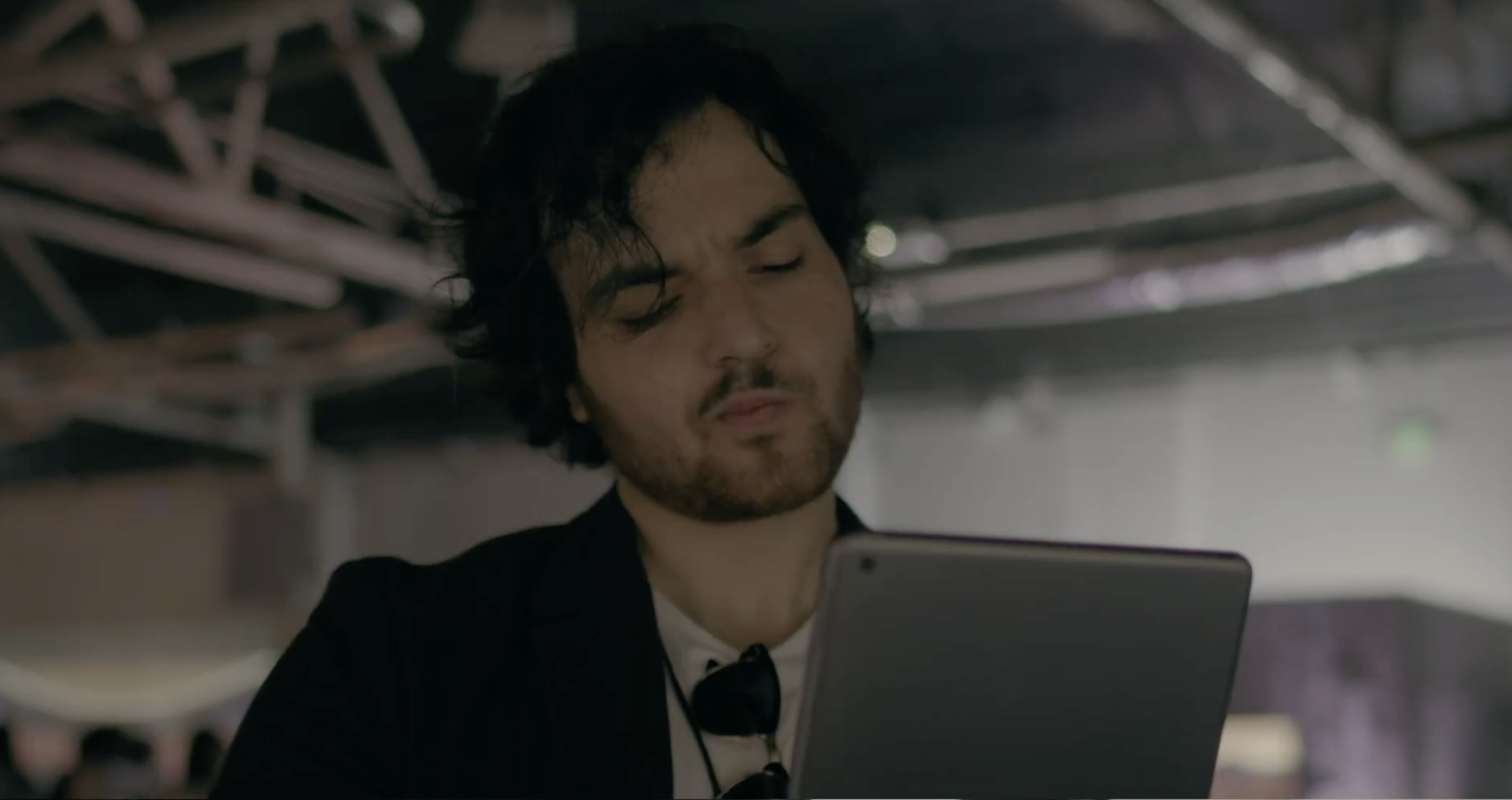
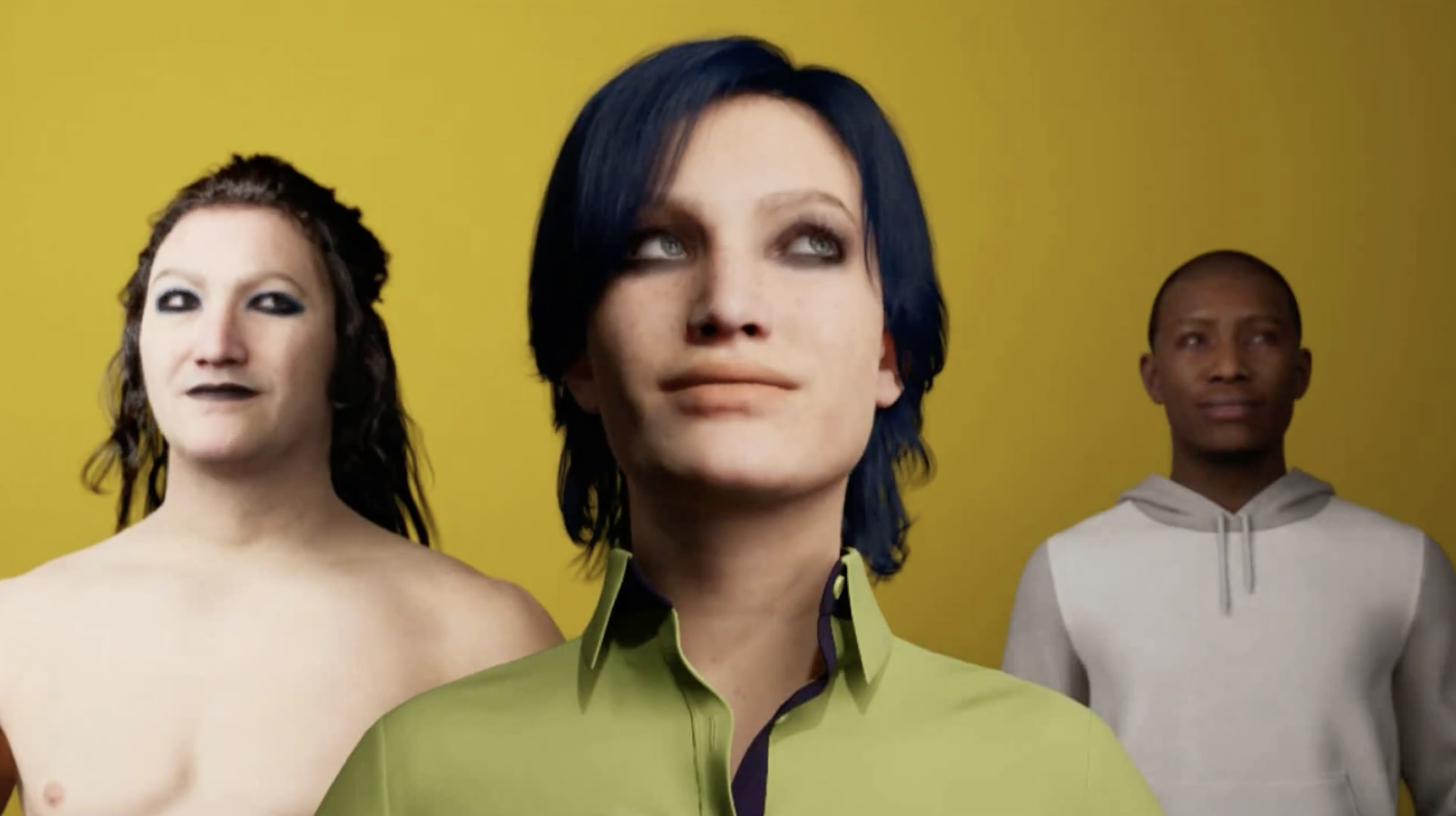
After graduation, I was researching digital humans, and the name “Impersonas” kept coming to mind. It started as a personal practice specializing in digital humans and mocap [motion-capture], but I was also testing how I can clone or double real people, realistically enough to be usable in production.
After many experiments and some major pivots, Impersonas was incubated by AUB's Innovation Park, and ended up winning the first-place innovation award in 2025. Other studios have been asking two important questions: “How can we make digital humans?” and “How can we use digital humans?” Impersonas fits in the middle of those two things: “How can we enable collaboration with digital humans, easily, at scale?”
At that point, we still lacked the infrastructure to help talent sublicense, monetize, or otherwise publicly engage their digital double. It was a process that took months of back and forth in legal talk, which felt limiting especially as AI became so fast and accessible; media production could be accomplished in minutes, while the rights to collaborate and publish would still take months. This felt like a good opportunity for disruption.
The “Daughter of the Inner Stars” project is a fascinating example: you built this digital world, then sync’d it with a physical symphony orchestra. How did you approach that challenge?
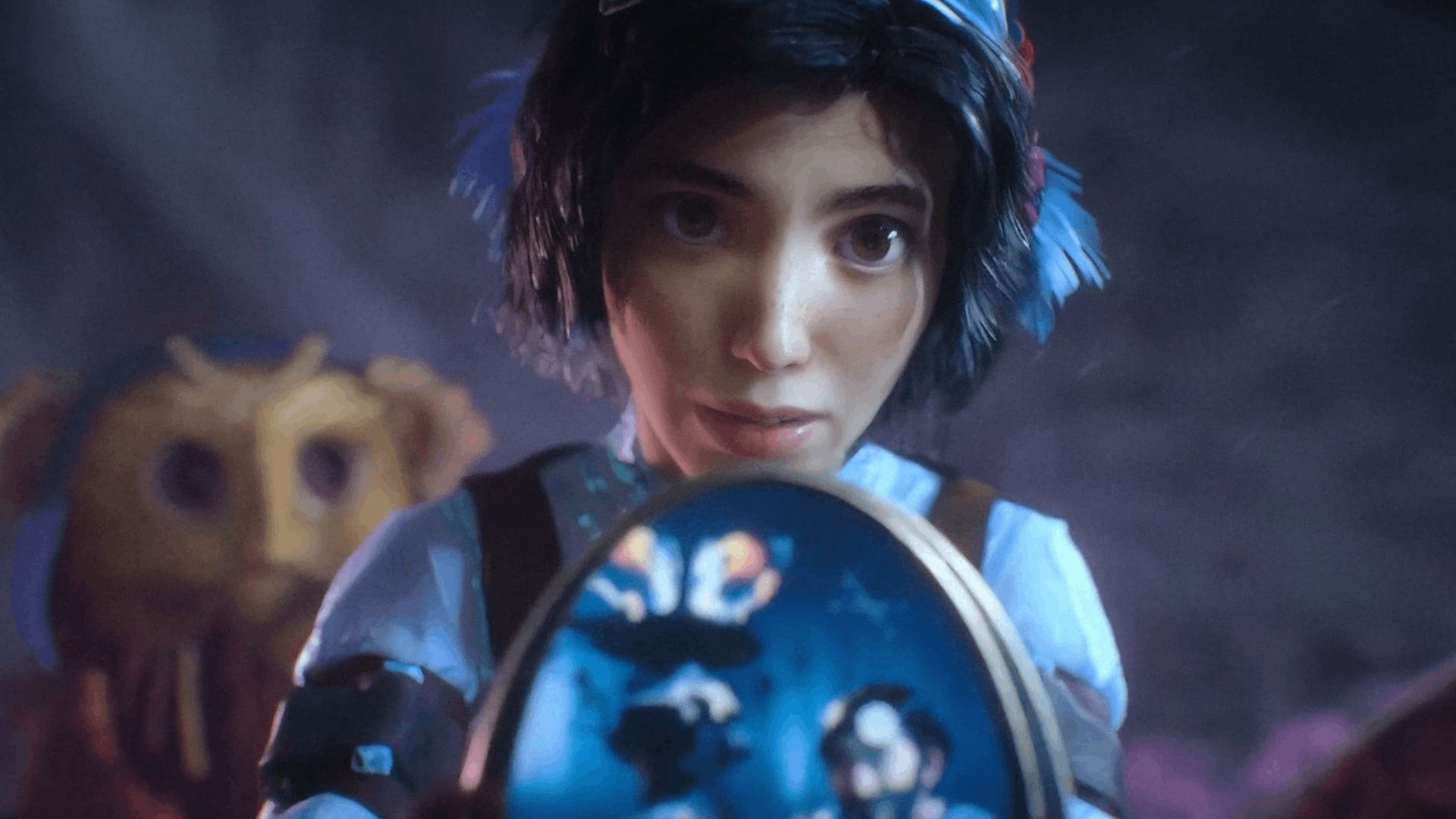
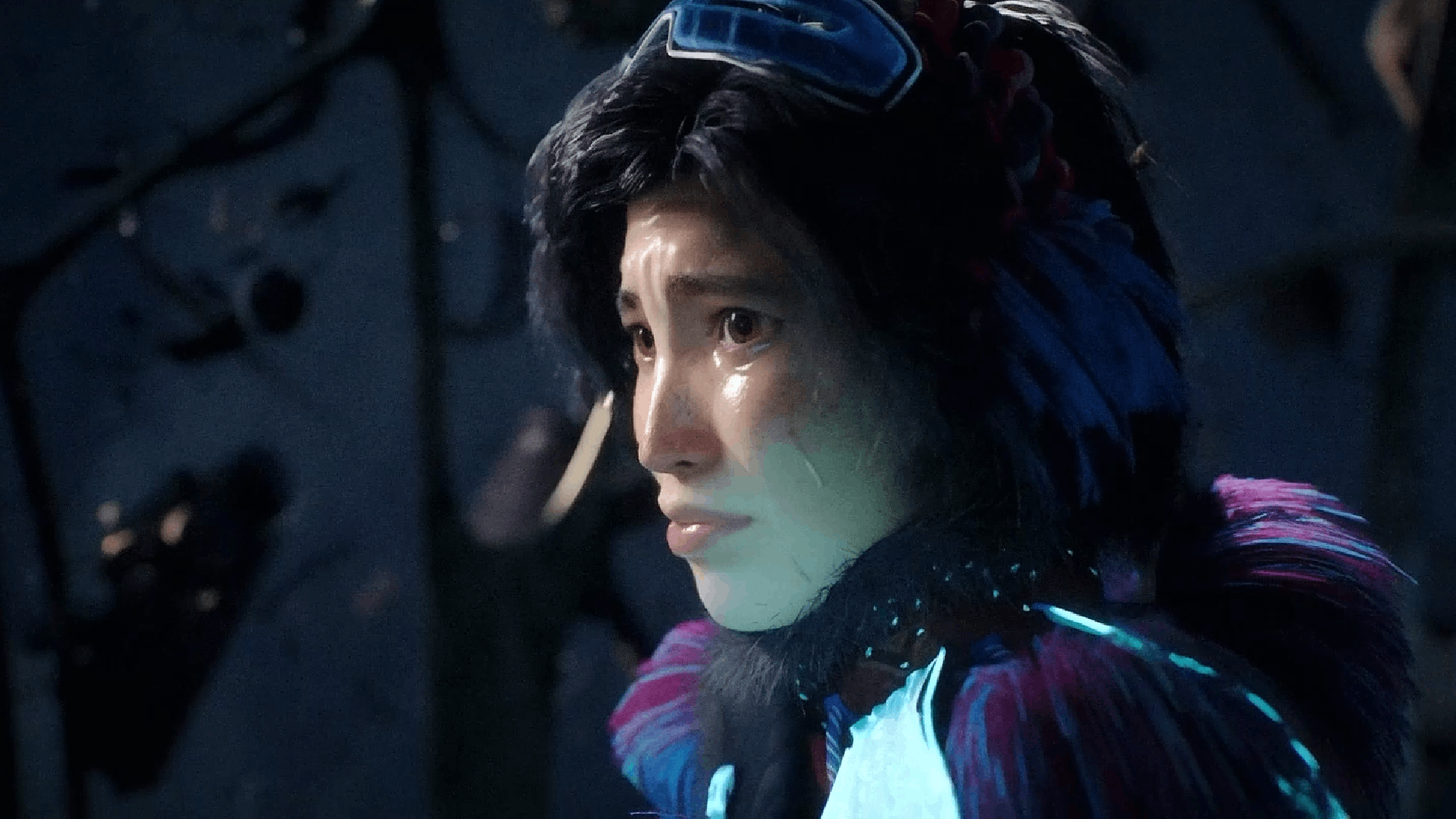
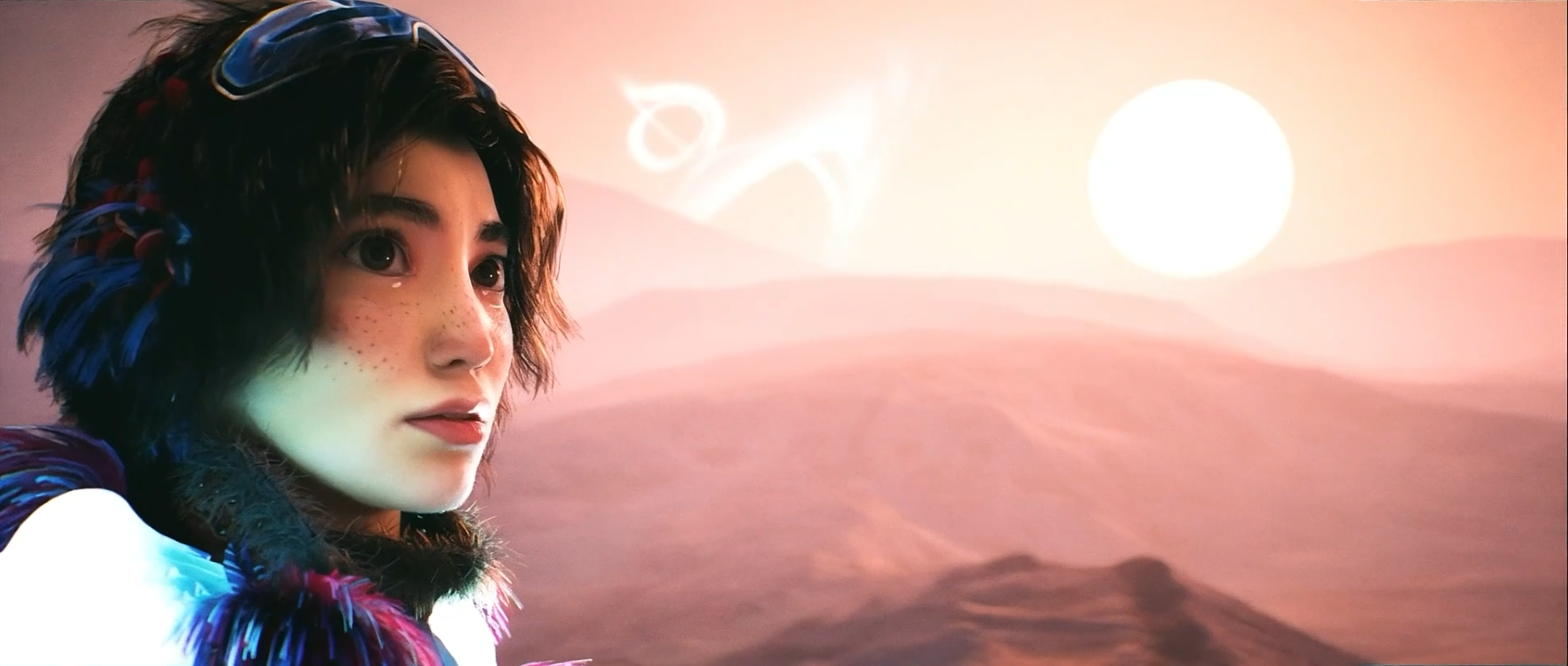
I was the digital human animation lead on "DOTIS," working with Nathan Su and Bethany Edgoose’s Inferstudio and Melanie Hiluta's Magical Muse across mocap, physical performance of the actors, and a lovely score composed by Nicholas Buc. I had the challenge of figuring out how to make the characters, which were beautifully sculpted by Ludvig Holmen, come to life. In animation and mocap performances, you sometimes take a lot of creative liberties in how you speed up, slow down, or adjust performance. Working with music, we now had a sort of rhythm or metronome around which to structure our mocap performance cleanups and how they translated to our characters. Facial expressions and cues, body movements–everything needed to be on beat, woven into the music, but it also needed to be human, and that's the beautiful part. There are no digital characters that exist in isolation. It was very important to James Vinson, who's a live action director, that this isn't another over-produced animation with perfect characters. They're all digital counterparts of real actors pouring their soul into their performances. There were no animation tricks or cheating here.
I gained new understanding of how music and motion capture are intertwined. Also, Nathan is a wizard: he made sure the shots, cameras, music, and animations were precisely, surgically aligned with the orchestra. It was fascinating to witness.
Editor's note: Get to know the world of DOTIS via Inferstudio's YouTube video
Nathan had been one of your professors here at AUD. What is it like to work with a professor on such major, real-world projects?
I have always admired Nathan, and have always been inspired by what he, alongside Beth and Sarah, have achieved through Inferstudio. We collaborated on a project at the Sydney Opera House and then at the UN Ocean Conference. Each experience validated the MSAUD program’s lessons and allowed that education to mature in a way where it now offers tangible value. I feel very lucky for the support Nathan offered me. I encourage students and graduates to reach out to your mentors and instructors–that’s how these dream projects came about.
I also want to shout out Natasha Sandmeier, MSAUD Program Director. She is not just a great faculty member and mentor, but also a great person. I always reach out to her for advice on my work and career.
There’s obvious media and production value to the research and work you are doing. Do you think it has anything special for architects or engineers?
Every building, up to the point where it begins construction, is an imaginative, virtual, fictional space that an architect thought up. It's the same exercise as digital worldbuilding, except with digital worldbuilding, you isolate out a lot of the physical, financial, or legal constraints attached to construction. This frees up a lot of imagination and conceptual energy.
Then, on the technologists’ side of things, there's value in acknowledging that most of our lived experience today is behind screens, spent in the realm of virtual servers staring at two-dimensional user interfaces. There is great, untapped potential in immersing people in the same media they consume all day. Instead of reading an article, can we experience it? Walk through it? For me, digital humans are only one part of that, filling the human element in virtual and immersive worldbuilding. It's up to architects, engineers, and imaginative thinkers to fill the rest.
Check out more of Hassoun's work via his website and Instagram pages.
Related Faculty |
Natasha Sandmeier, Nathan Su |
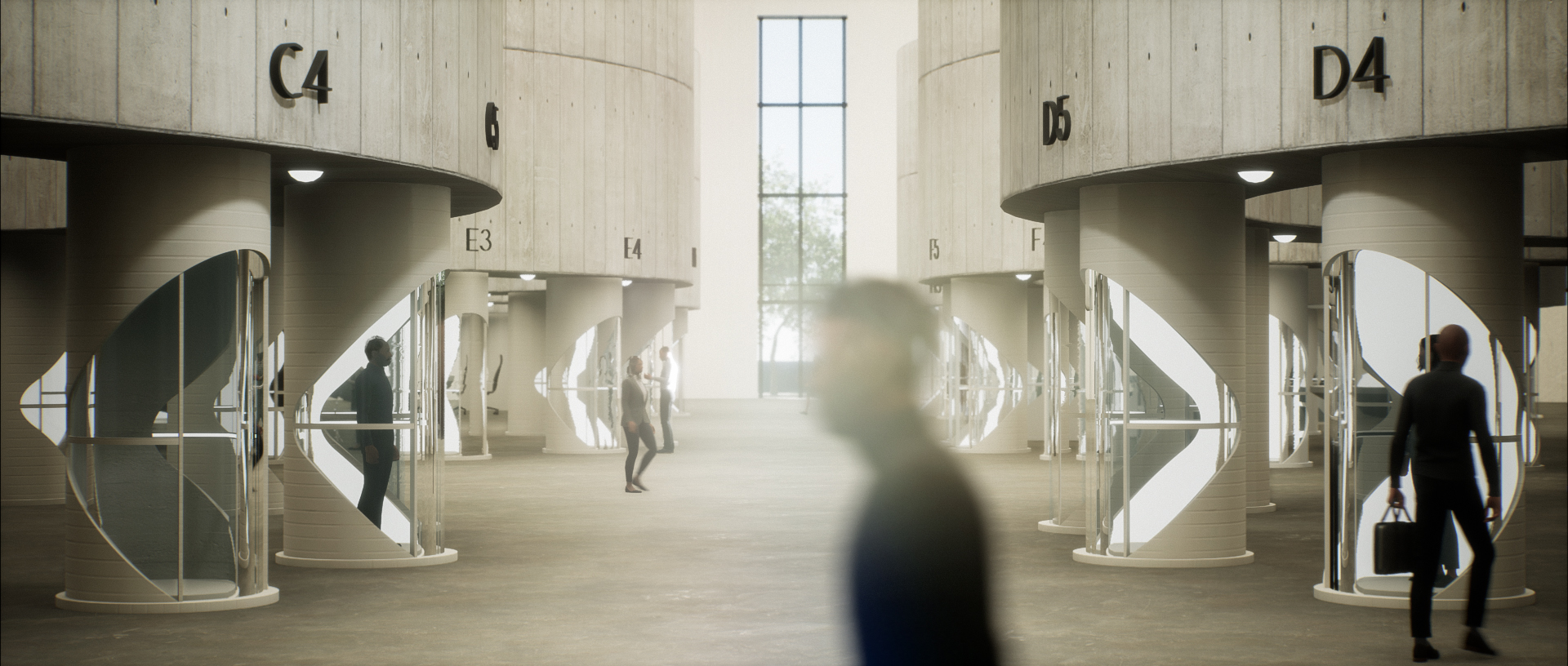
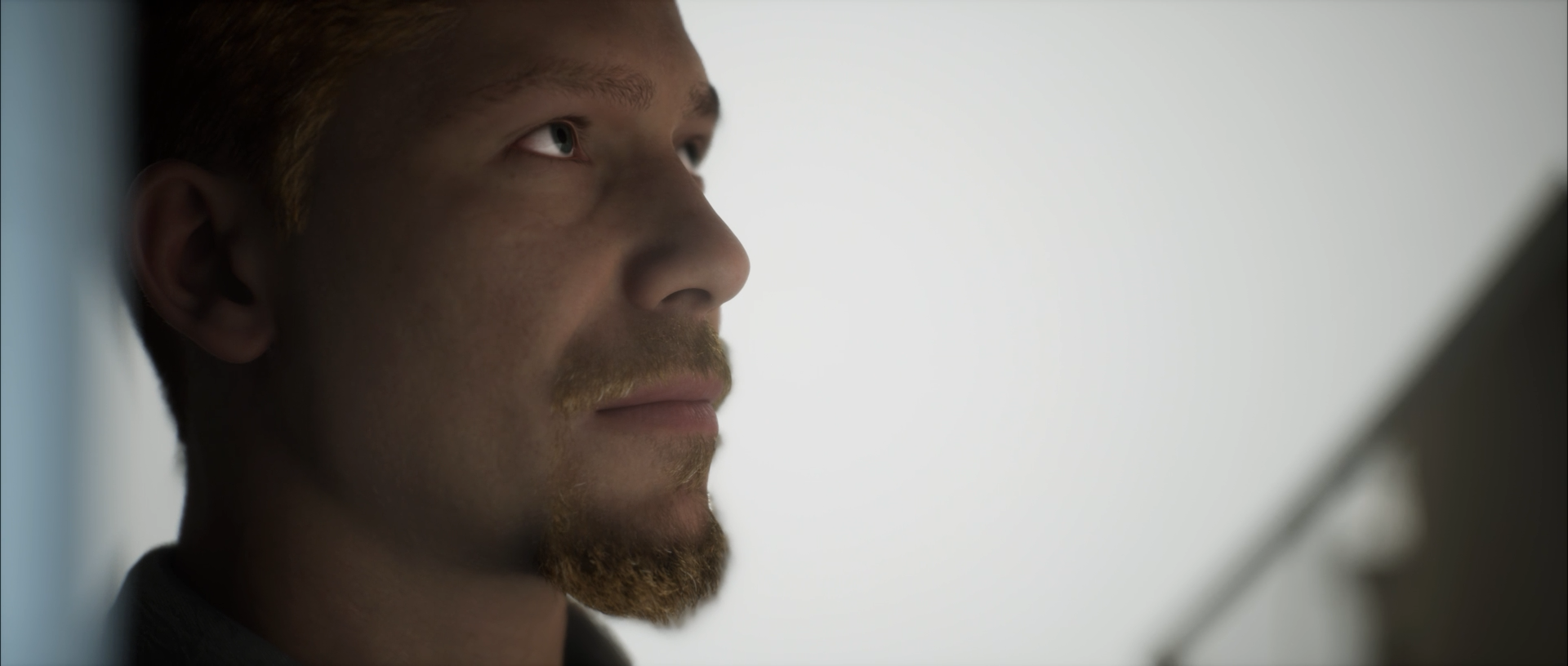
- Daughter of the Inner Stars is a 50-minute symphonic orchestral experience blending live narration, original animation, and an original cinematic score by Australian composer Nicholas Buc. Project by Inferstudio; Hassoun served as Animation & Motion Capture Technical Director
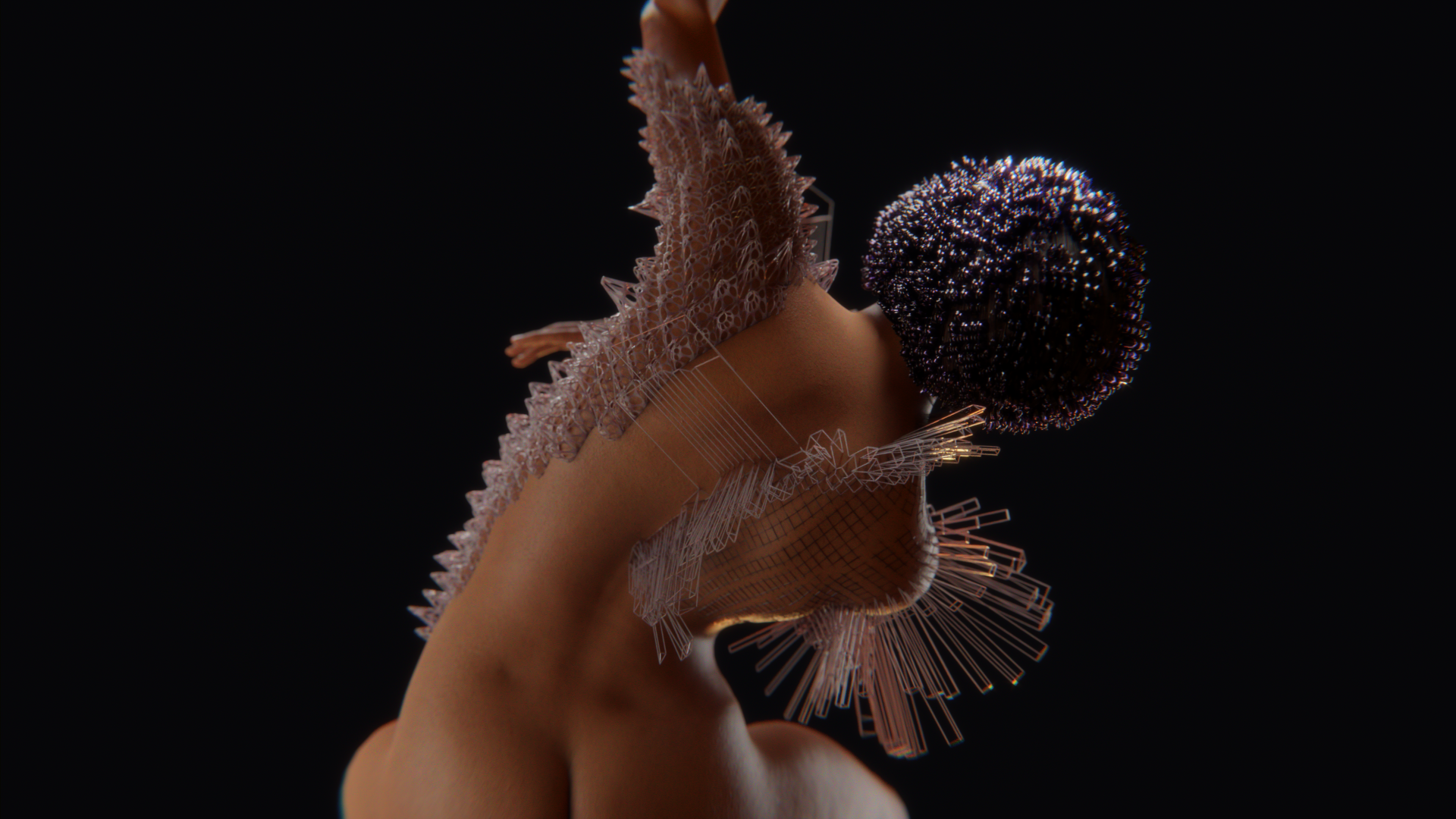
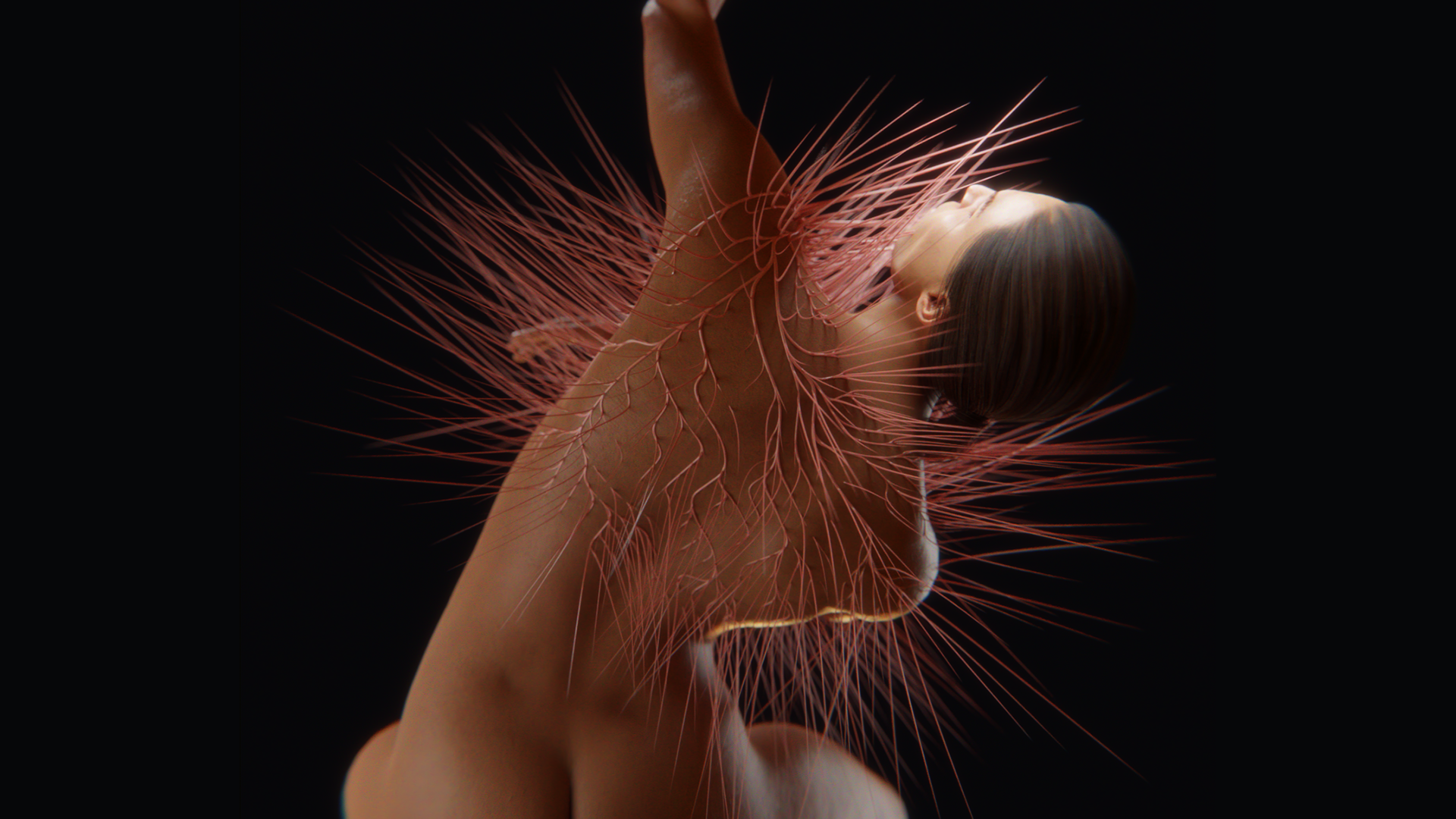
- "Glamourising Surveillance," a student-team project from Hassoun's flagship HyperMedia course at the American University of Beirut's School of Architecture and Design. The project speculates about the technologies surveilling us and invading our privacy, and uses face-tracking algorithms to camouflage our identities digitally.
- A project from "3D Videography," a one-week module from Hassoun's flagship HyperMedia course at the American University of Beirut's School of Architecture and Design. The course invited students to capture daily moments using volumetric technologies, and then utilize procedural programming to distort and animate those frozen moments in time.
- "Welcome Back, Back Again, Again and Again," an award-winning experimental short film created by Najwa Hasbini, Carl Youssef, Selina Khoury, and Racha Mawla for Hassoun's flagship HyperMedia course at the American University of Beirut's School of Architecture and Design. "Welcome Back" explores the links between space, trauma, and psychological dependence on a region riddled with war and discomfort.
- self.net is a collaborative workshop given at the American University of Beirut, inviting students to speculate on their digital selves and identities. Students interpreted themes ranging from anxiety to fashion and beauty through the vessel of the digital human model, deriving formal and aesthetic qualities for their designs.