Los Angeles Generics
403C
2026
Los Angeles Generics - Post-Aesthetics of the Mundane
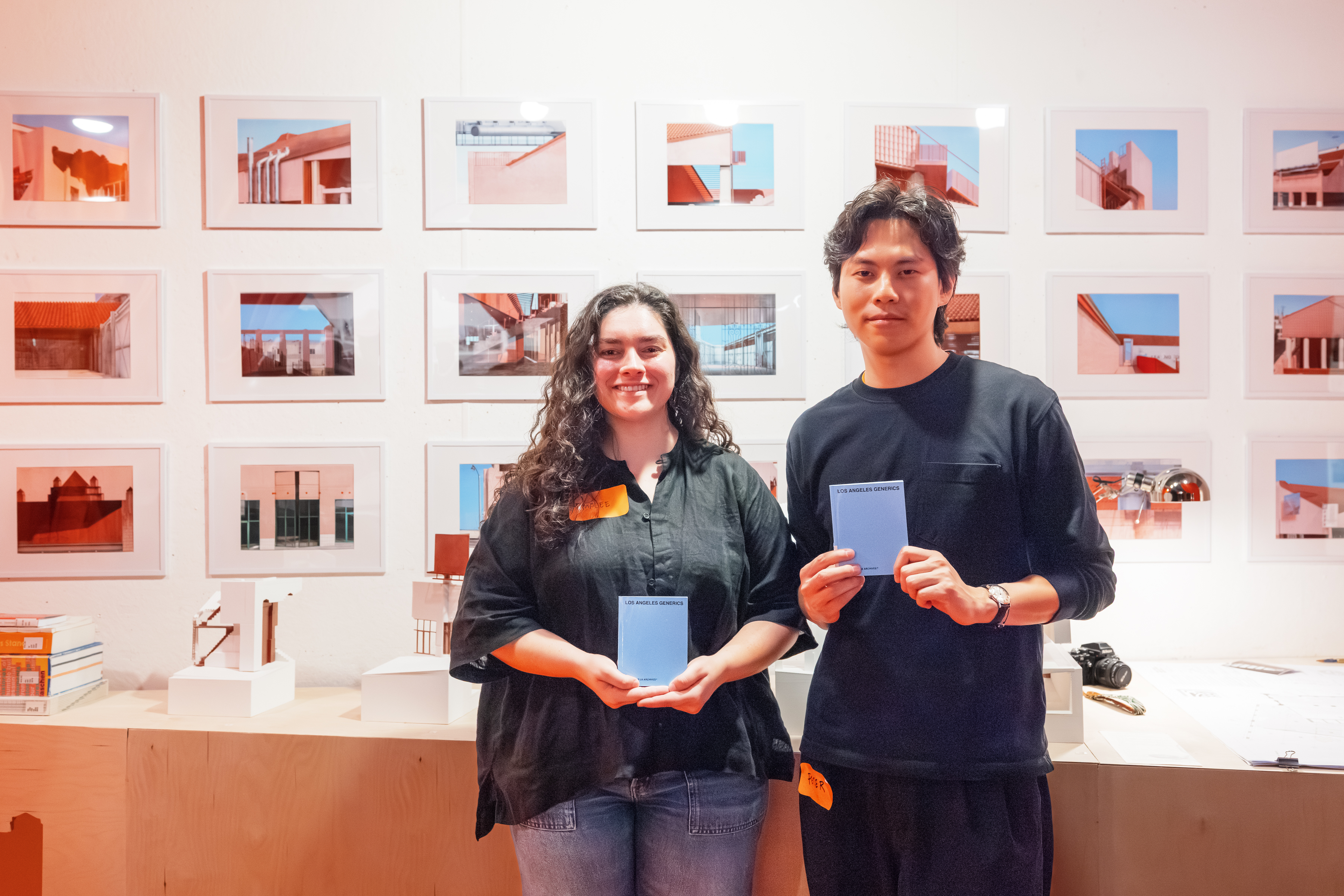
Project by Peter Tzuyuan Cheng & EmaLee Davidson (MArch '26) for Research Studio "Future [Hi]stories of the City" with Kutan Ayata
Los Angeles is one of the most over-described cities in the US. It has been glorified by Hollywood,
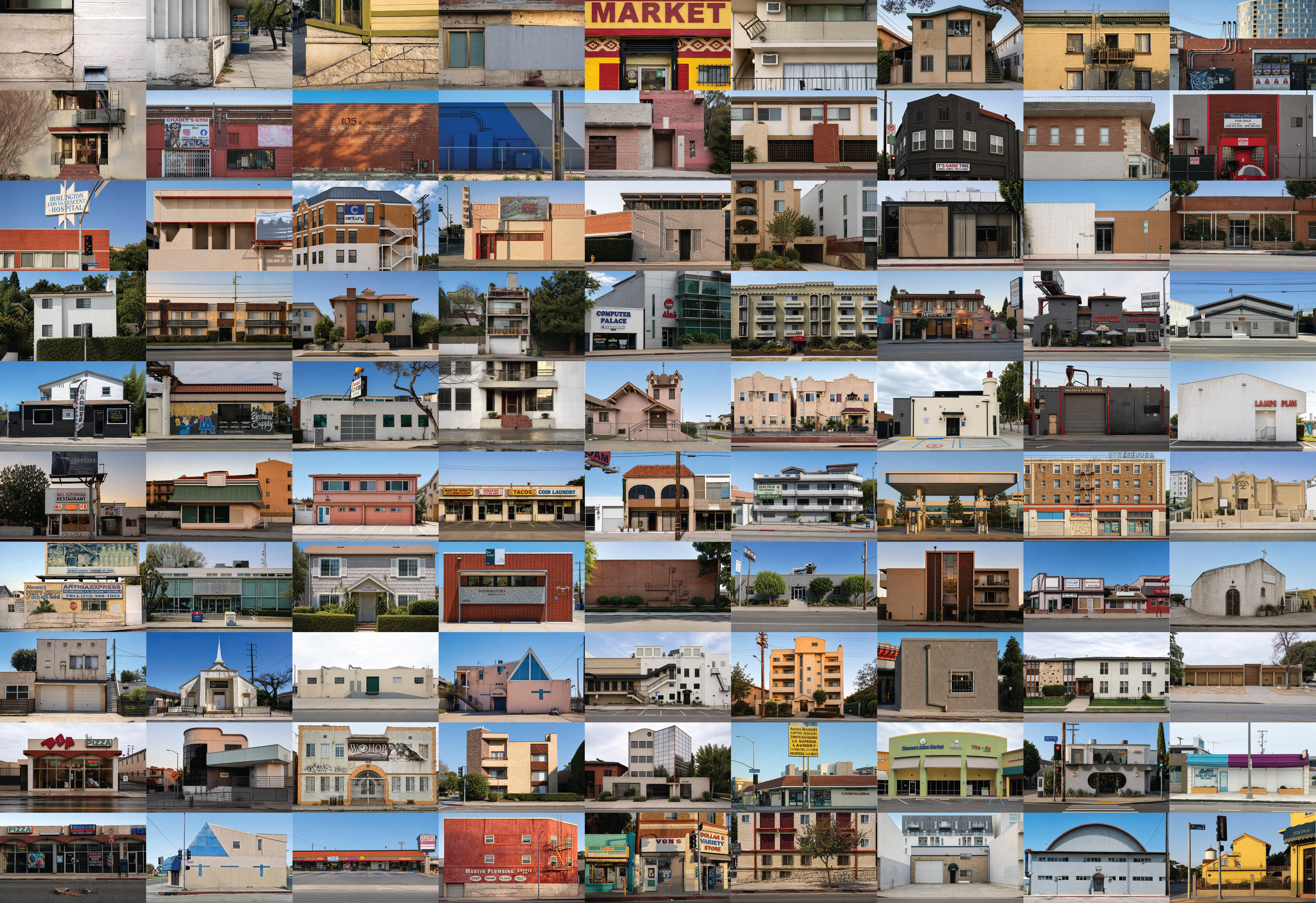
romanticized by Reyner Banham, flattened by Ed Ruscha, and satirized by Mike Davis. Historically, the city has presented itself as a broad canvas where buildings are expected to declare themselves. The legacy of the Case Study Houses, the formal provocations of deconstructivism, and the spatial logic of an automobile-oriented metropolis have collectively reinforced the expectation that architecture must distinguish itself as an object of attention. While these icons saturate popular opinions of LA, the city deserves another reading. The generic LA experience lives in patched stucco, tilted guardrails, chipped paint, storefront tint, and staged, incremental buildings made of globally traded materials that accumulate into urban life.
As Frank Lloyd Wright put it, “Tip the world over on its side and everything loose will land in Los Angeles.” That loose matter, the jerry-rigged, rough and beautiful accumulations are the ones that make up day-to-day life; the generic, the code-driven, the repaired, the value-engineered, and the half-forgotten. These mundane conditions are one of the clearest archives of how the city actually functions. While the background accumulates through acts largely outside the purview of architects, architects are relegated to the outskirts of the elite, sensitive or novel. This project stakes the claim to the background.
Given the circumstances of current environmental challenges, architecture is facing a paradigm shift. Building no longer means starting from a blank slate. Theoretically, the profession has already started to shift its focus away from building large, building new, or even building at all. If the act of building establishes cultural, political, and aesthetic shifts, then as we project into the future, one may ask how we track changes of mundane backgrounds of the city when building new is no longer encouraged?
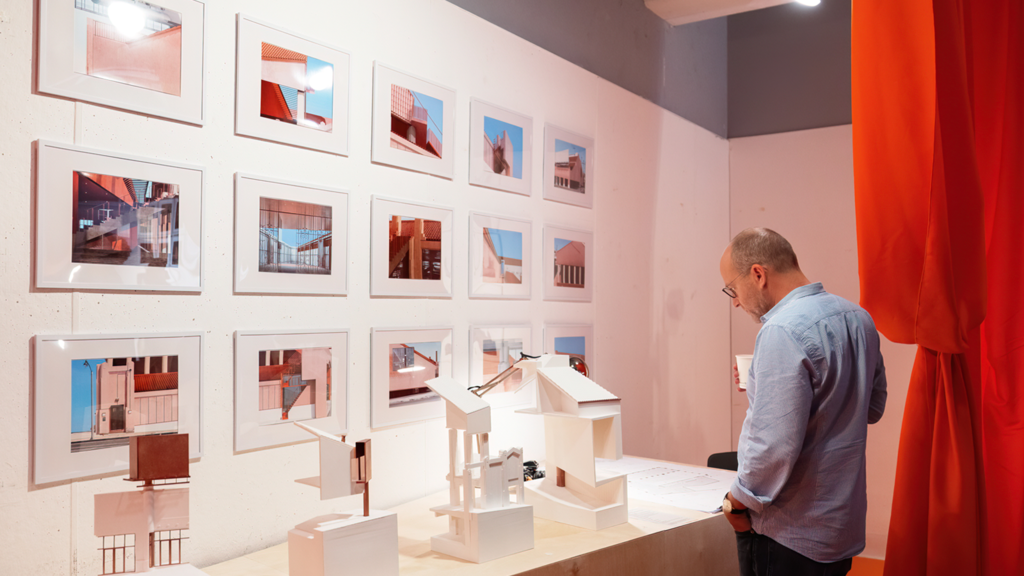
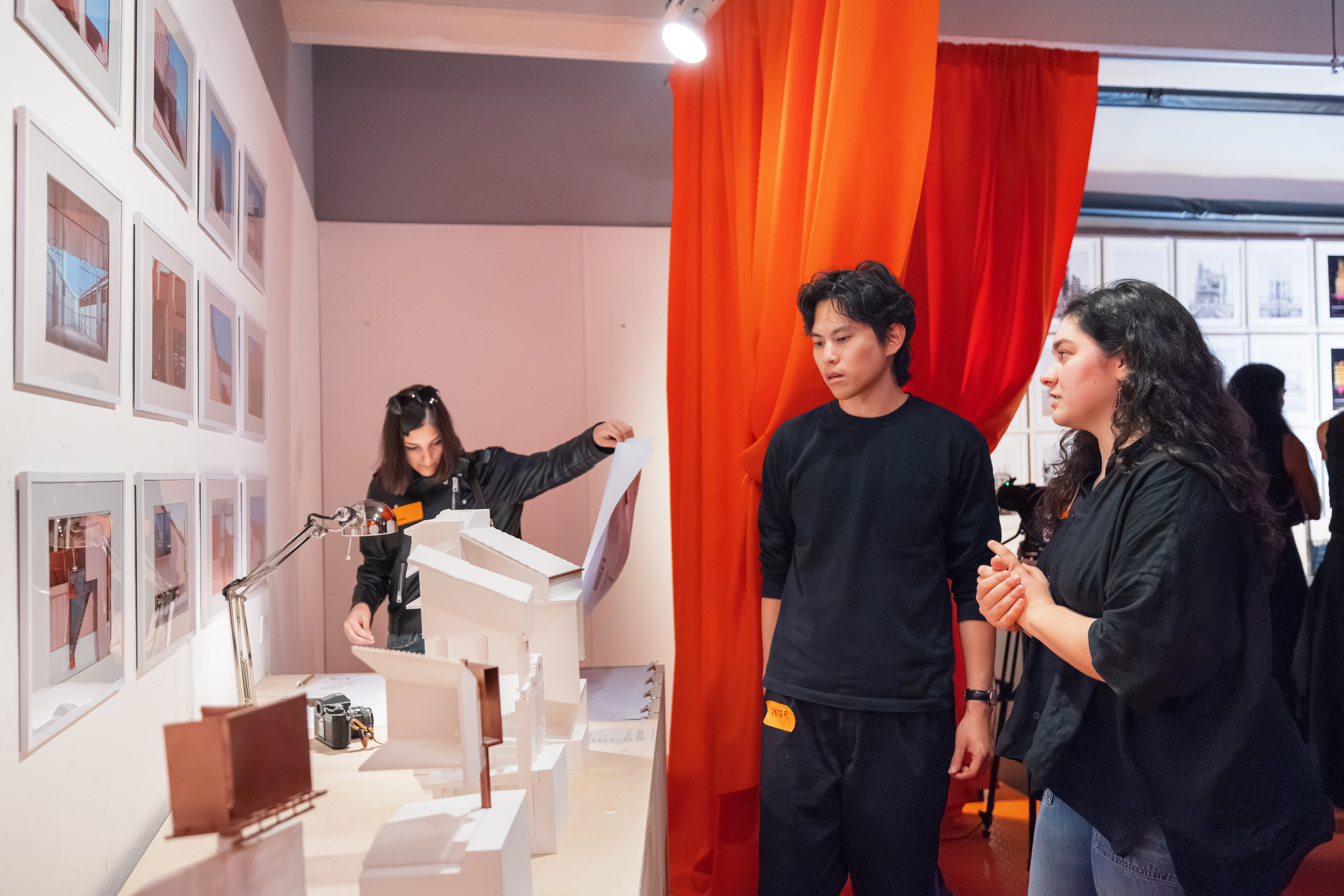
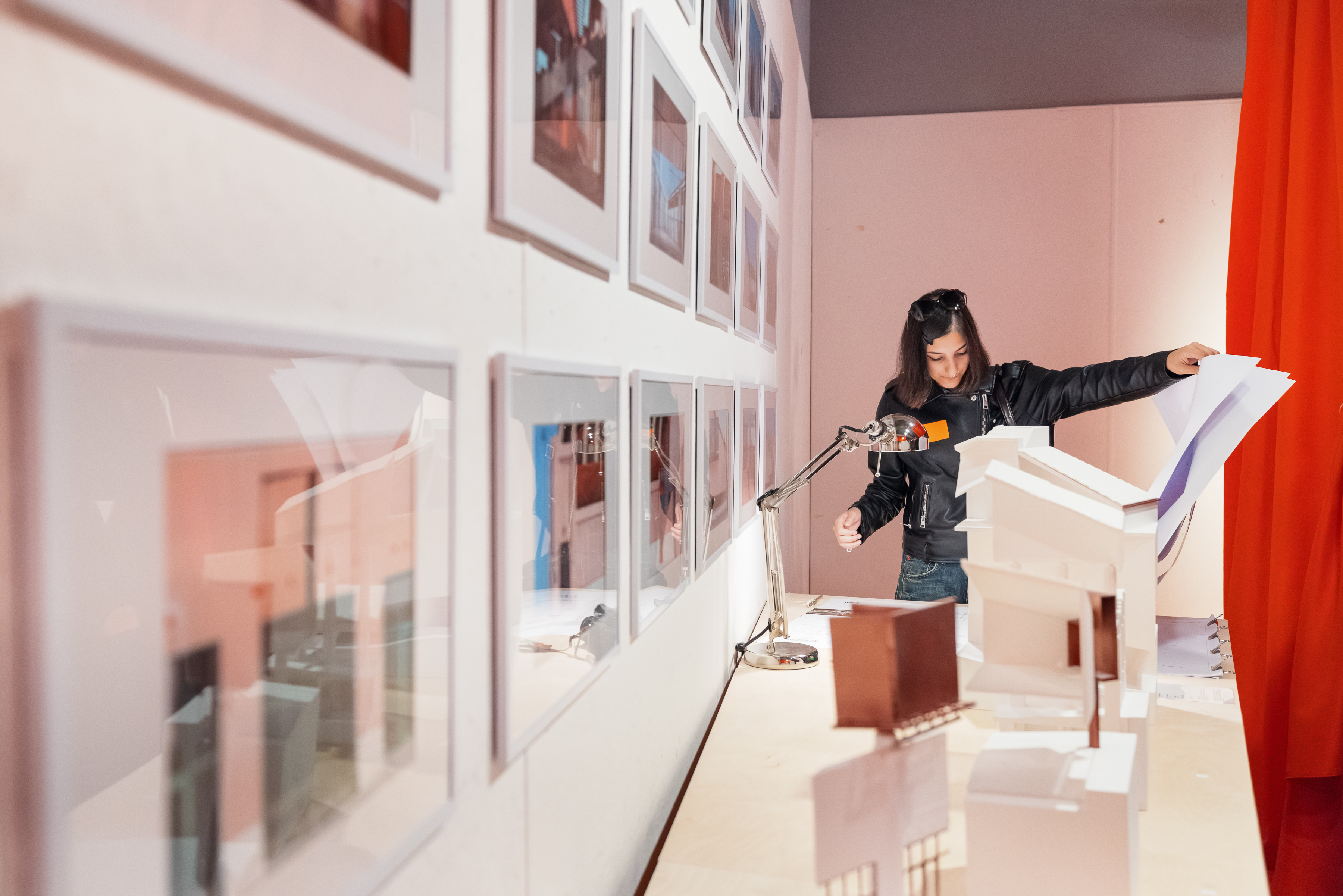
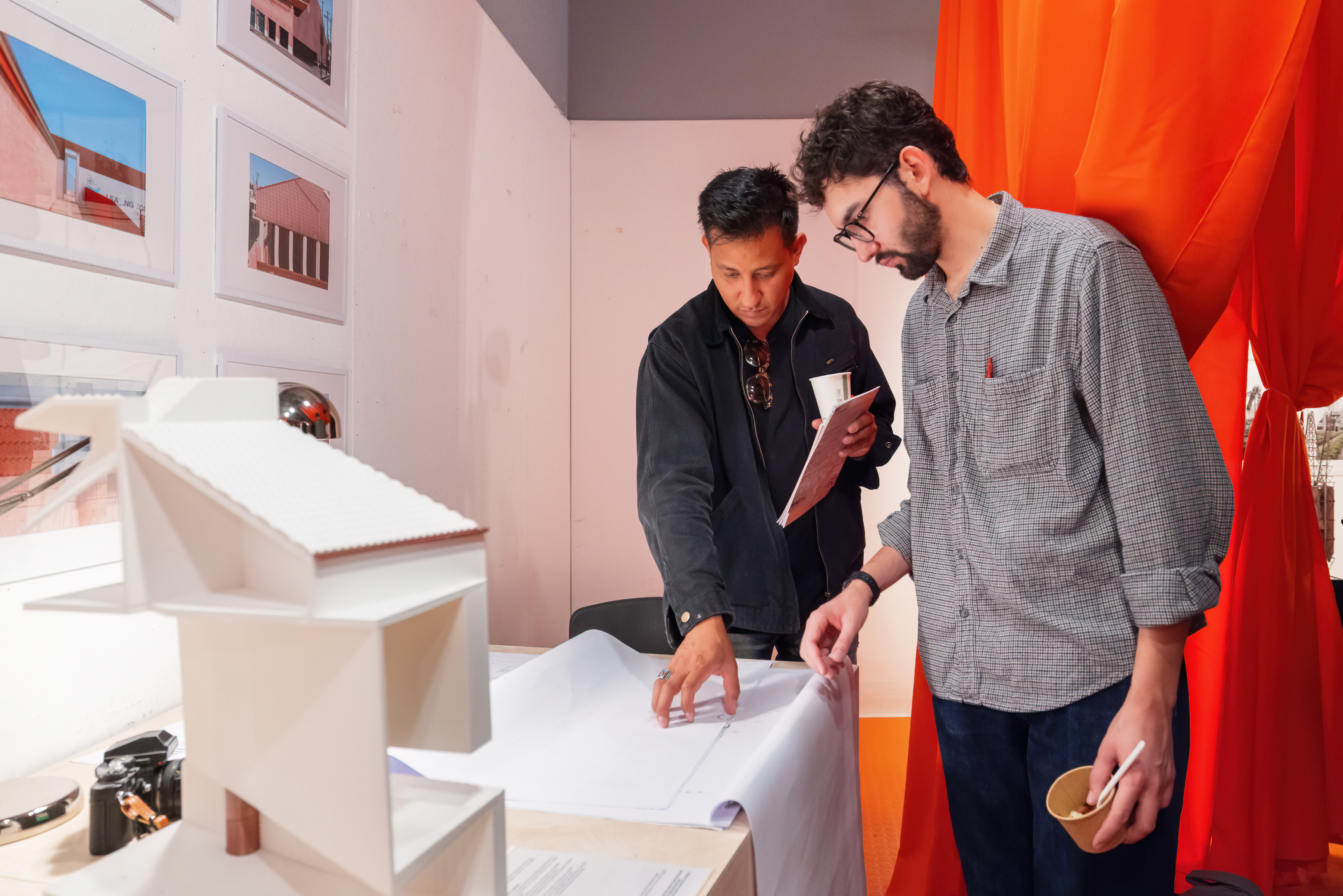
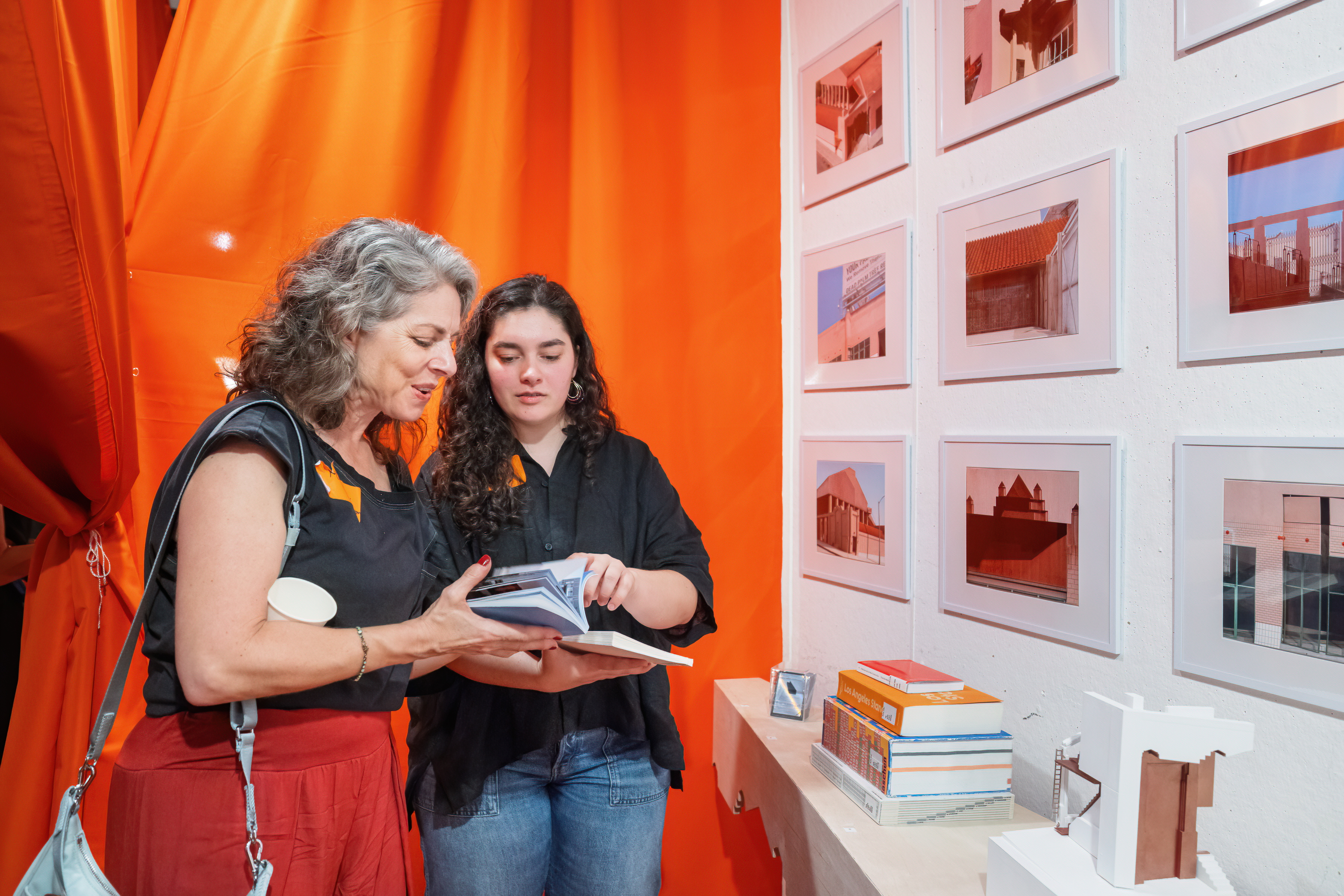
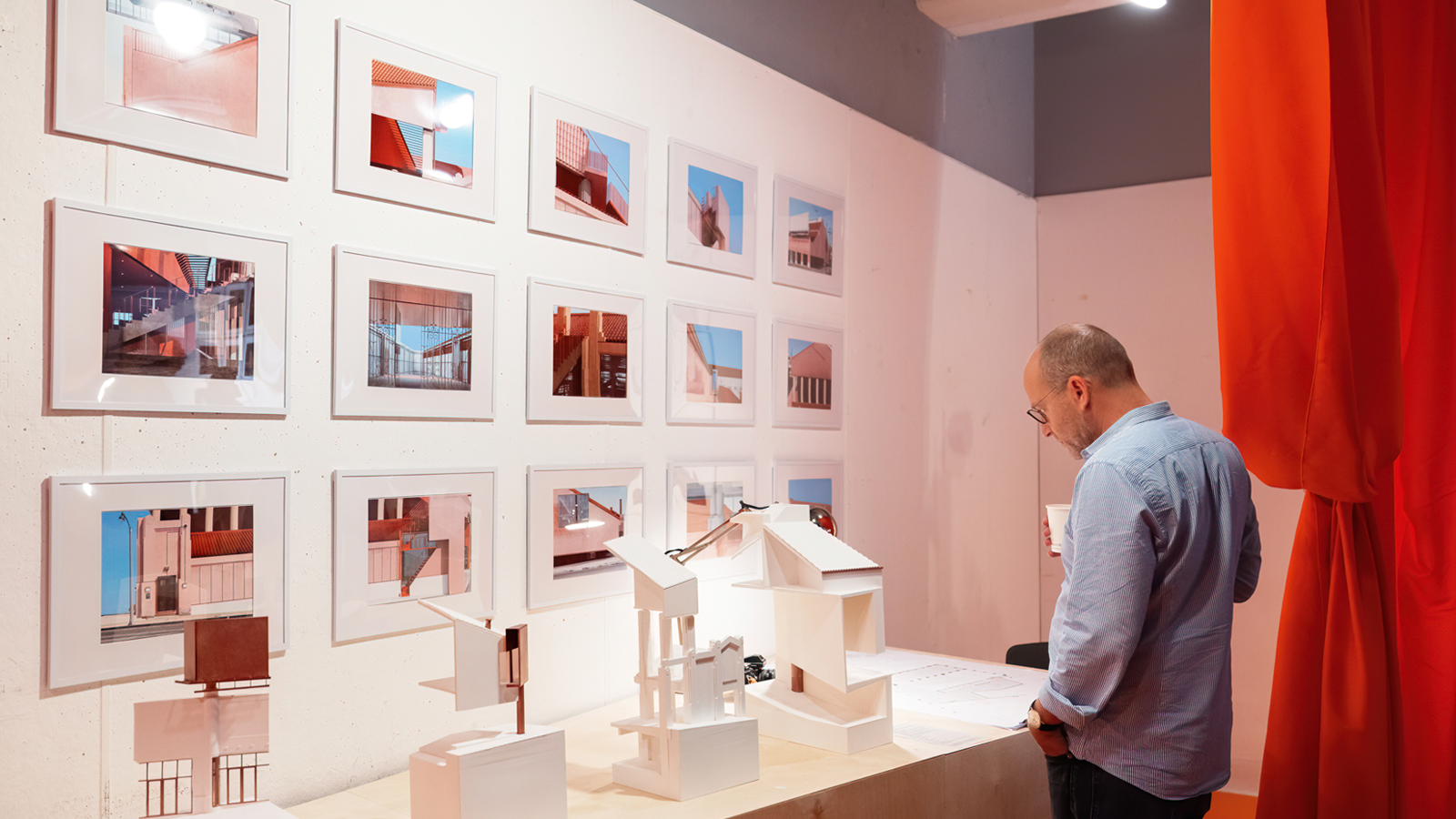
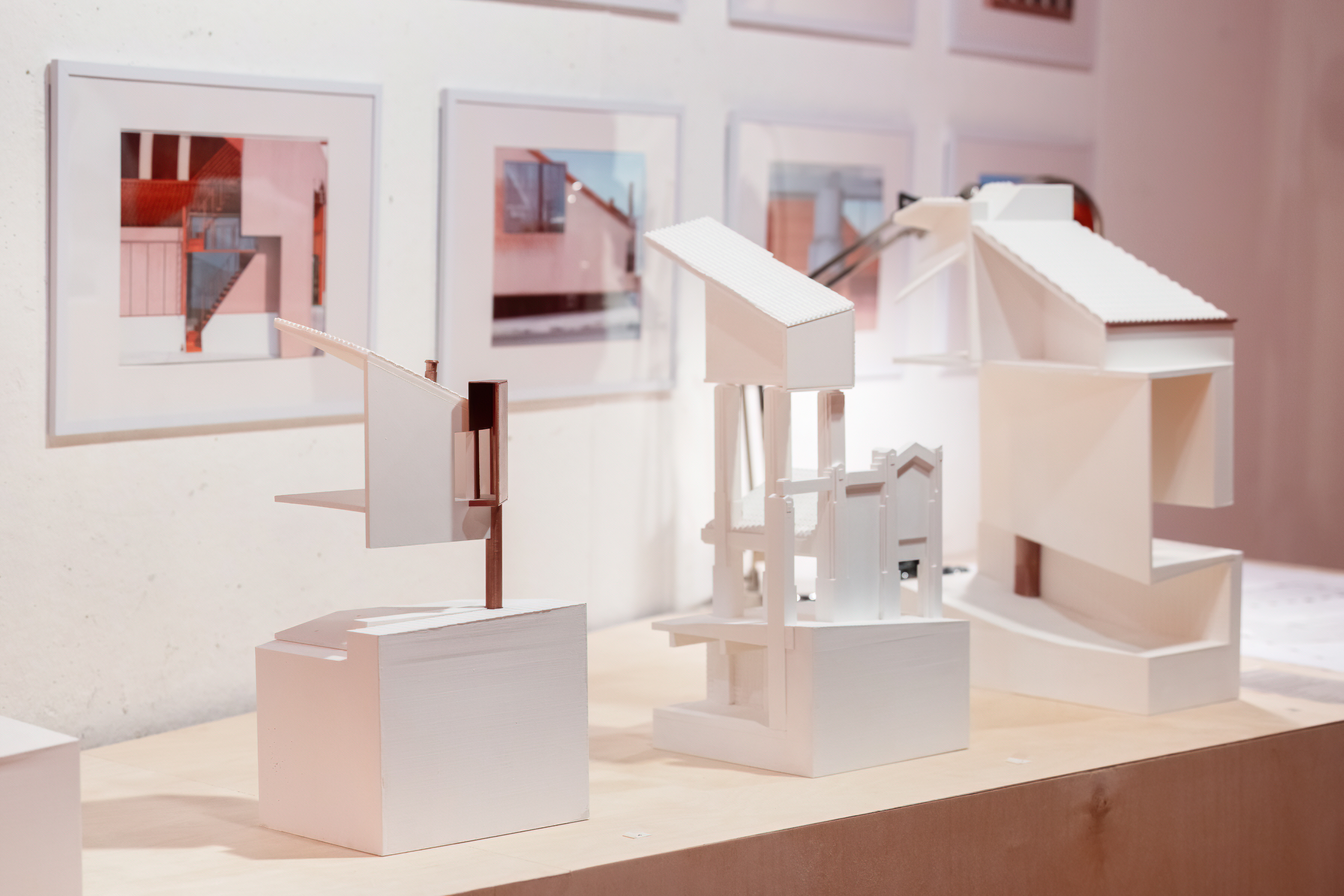
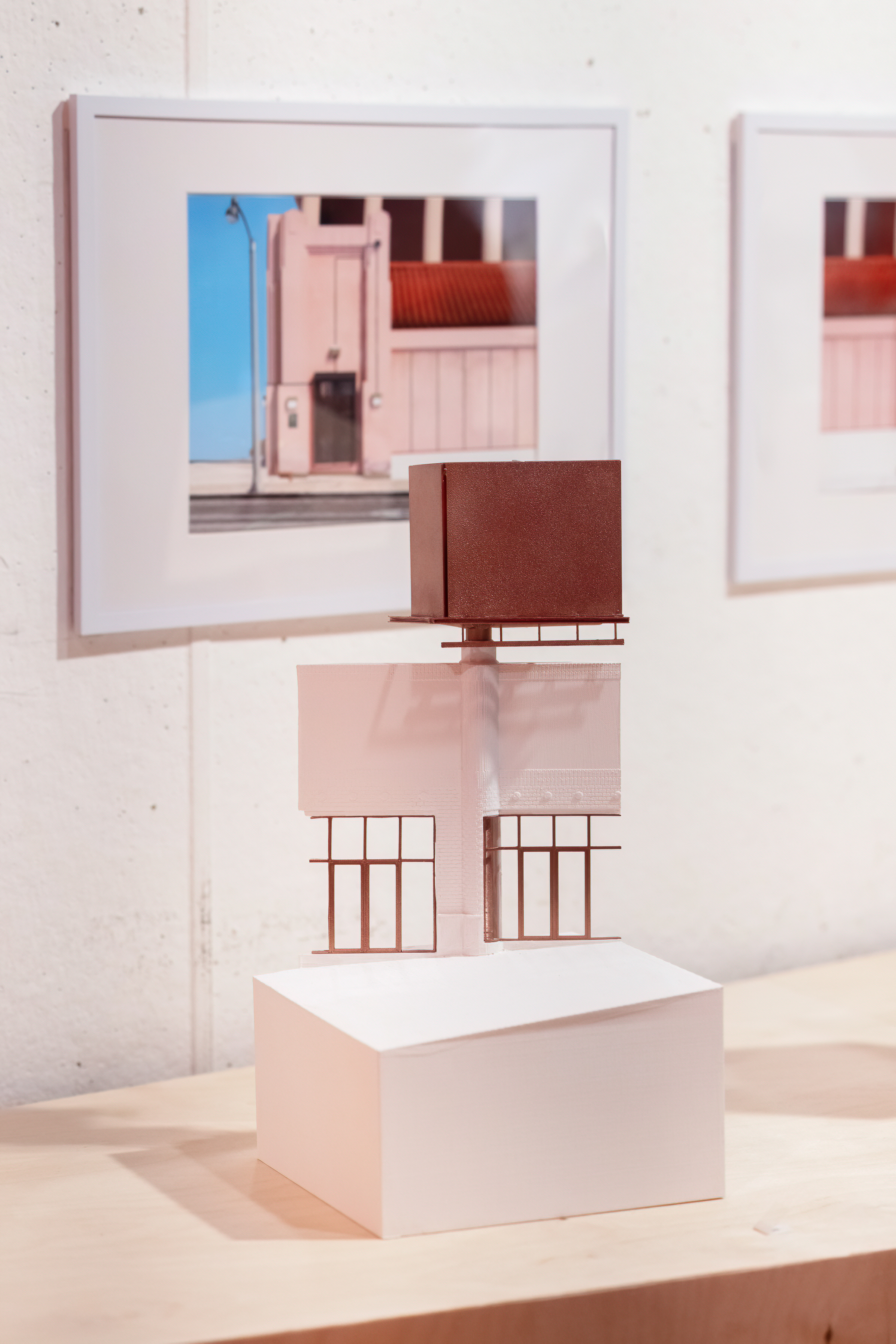
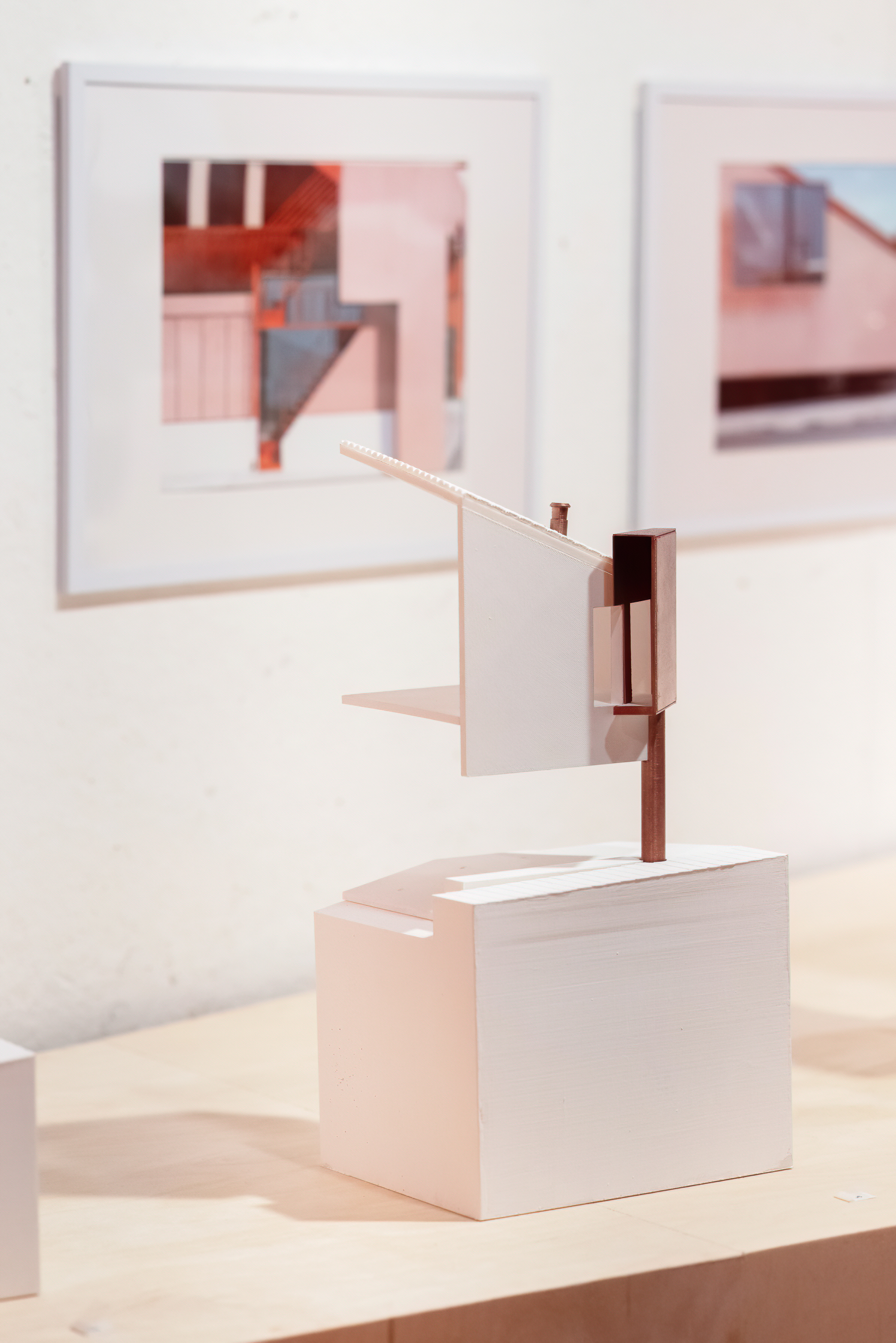
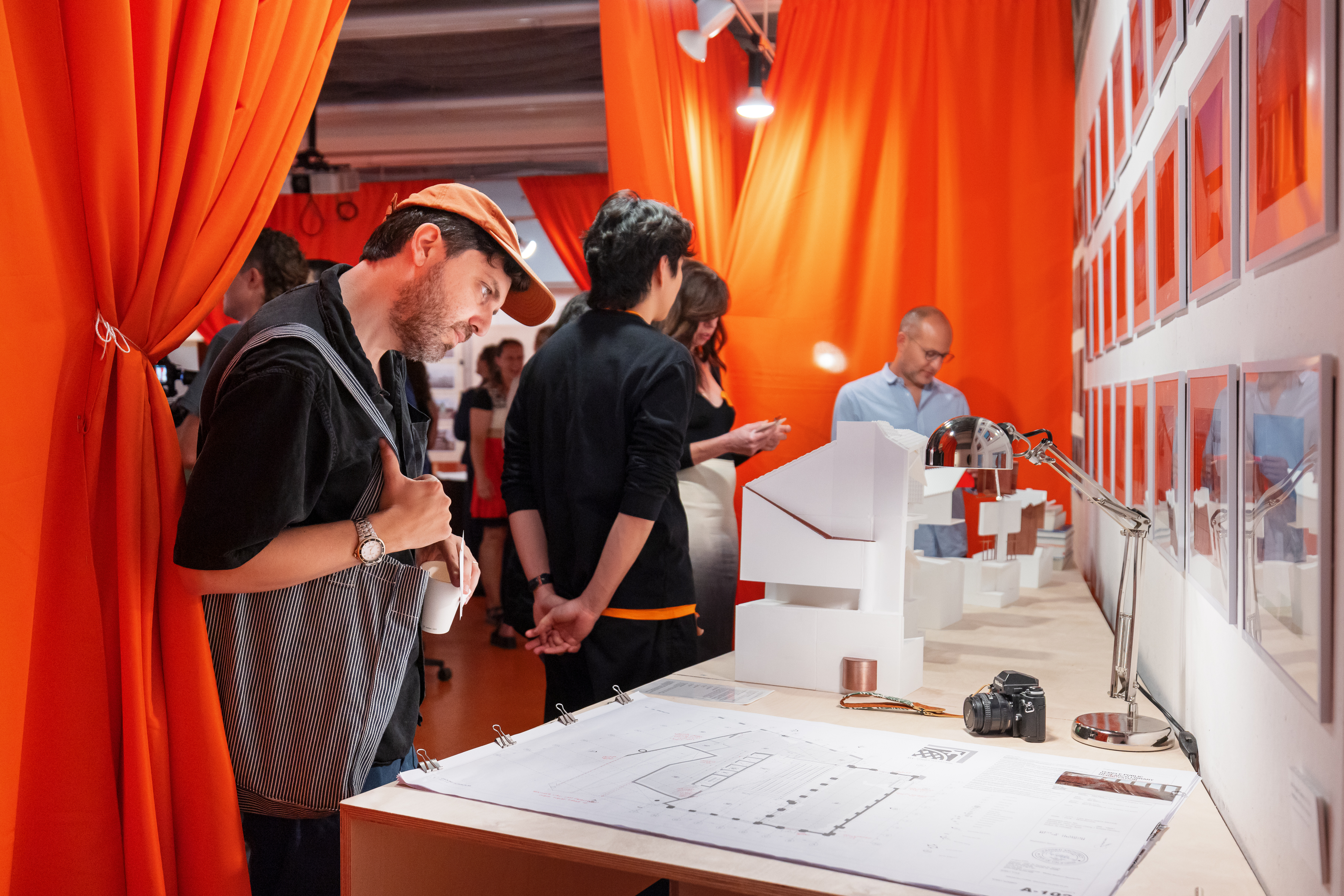
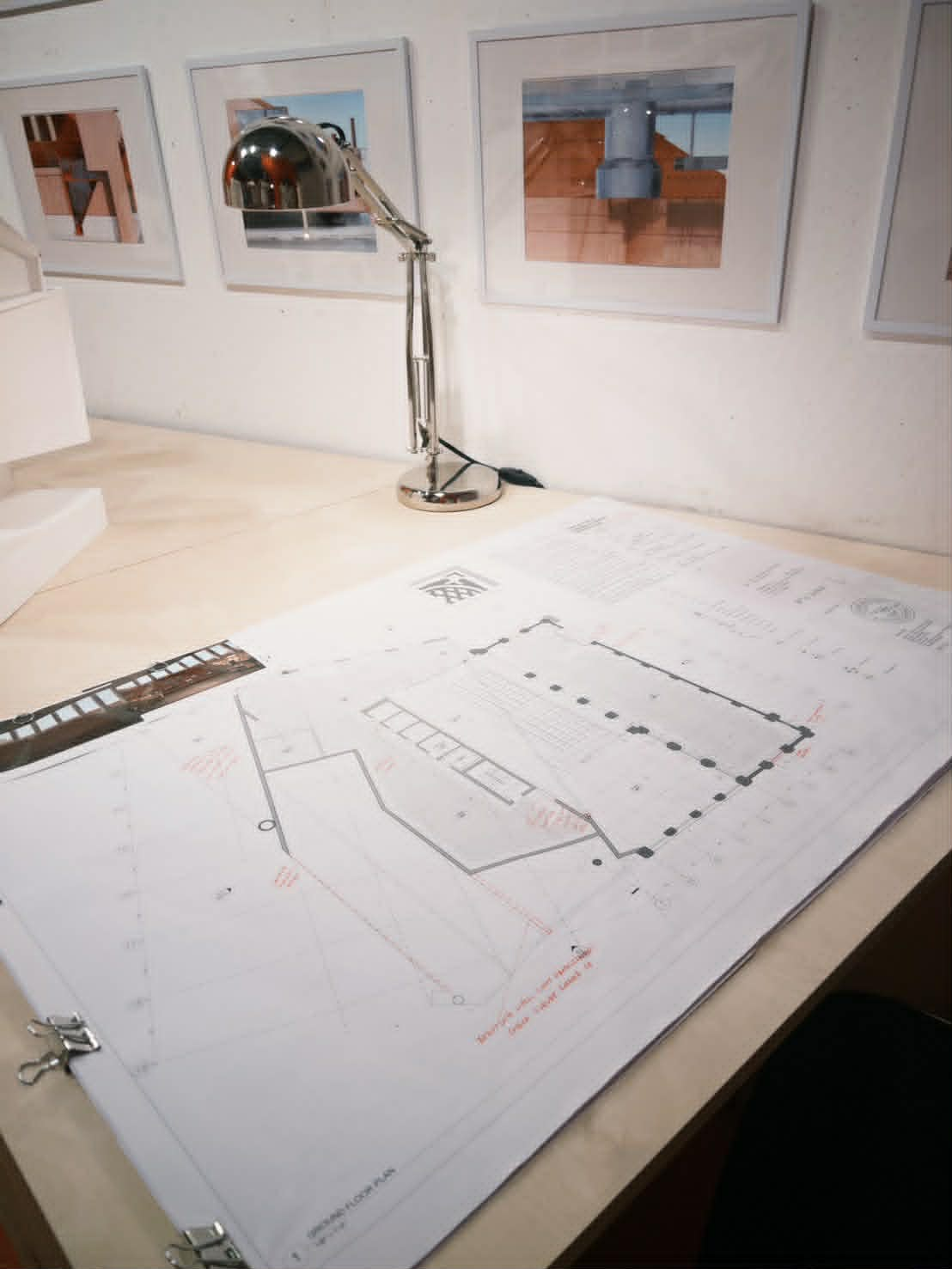
From this point of view, the project investigates a built project through post-construction evidence, documenting an anonymous block in the backdrop of LA. The block serves as the site for translating, tracking, and testing Los Angeles’ cultural influence on vernacular aesthetics. Solutions of the past adapt and transform themselves for new purposes, estranging familiar material logics. The project, therefore, includes recurring conditions from Los Angeles: details, drawing sets, finish systems, and photographic documentation that register the distance between intended form and built form.
In a post LA aesthetic era where palm trees are no longer found and new iconics are frowned upon, this project demands attention to how new languages are still formed through an evolution of recollections. In this sense, it neither recreates the past nor falls into nostalgic preservation, but treats mundane architecture of Los Angeles as an evidentiary archive translating the design of a single block into a new architectural proposition.

Related Faculty |
Kutan Ayata |