Sea Ranch
403C.82 MS AUD Urban Strategy Studio
2025
Sea Ranch
Work by Ana Yanchapaxi (MSAUD ’25) + Taeseung Seong (MSAUD ’25) + Imran Ahmed (MSAUD ’25) for “Sea Ranch Studio,” a Research Studio taught by Jeffrey Inaba & Tucker van Leuwen-Hall. The studio addressed Sea Ranch’s demographic shifts, affordability, and wildfire risk through iterative design—starting with AI as an initial tool, then incorporating site research and community dialogue.
Project Statement:
This project begins with the premise: sustainability is not just a set of technical solutions—it is a way of life, intertwined with the rhythms and cycles of nature. We no longer see the landscape as a static backdrop but as a living system that demands a renewed and reciprocal relationship. With this perspective, our proposal addresses two interdependent cycles: the ecological cycle, which focuses on restoring forest health and native species in response to wildfire risks, and the demographic cycle, which seeks to revitalize Sea Ranch’s aging population through generational renewal. These cycles are inseparable, shaping the land, the architecture, and daily life in unison.
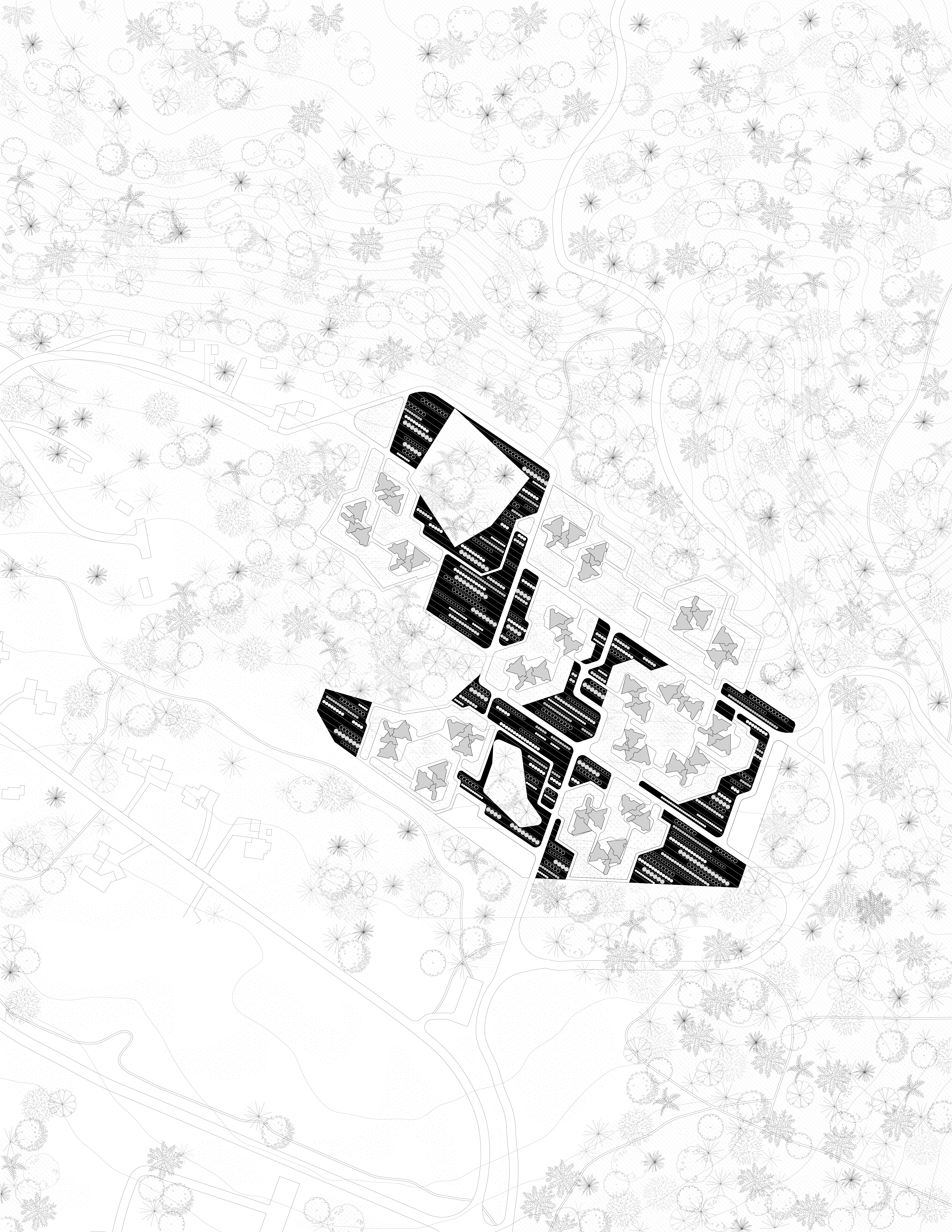
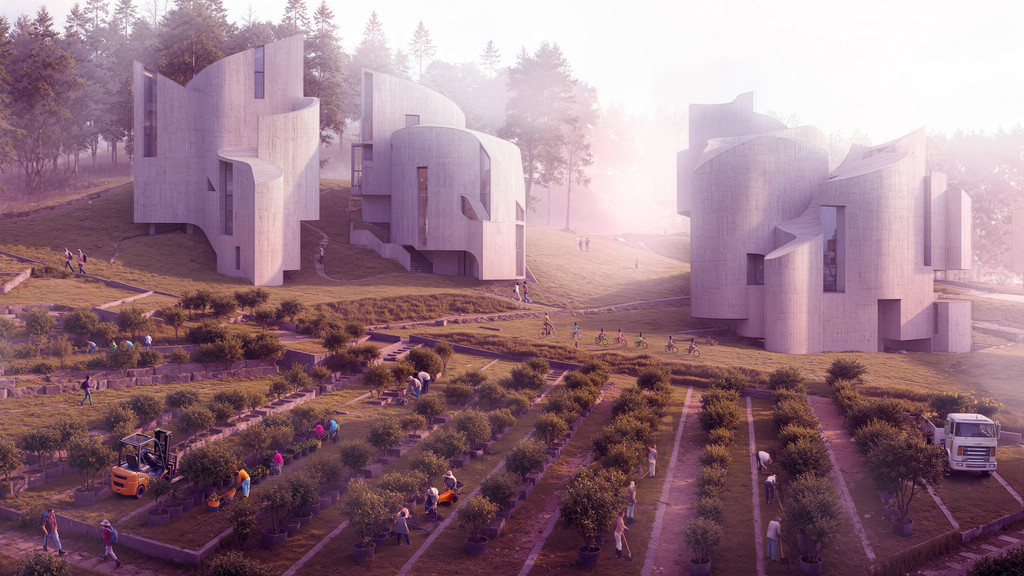
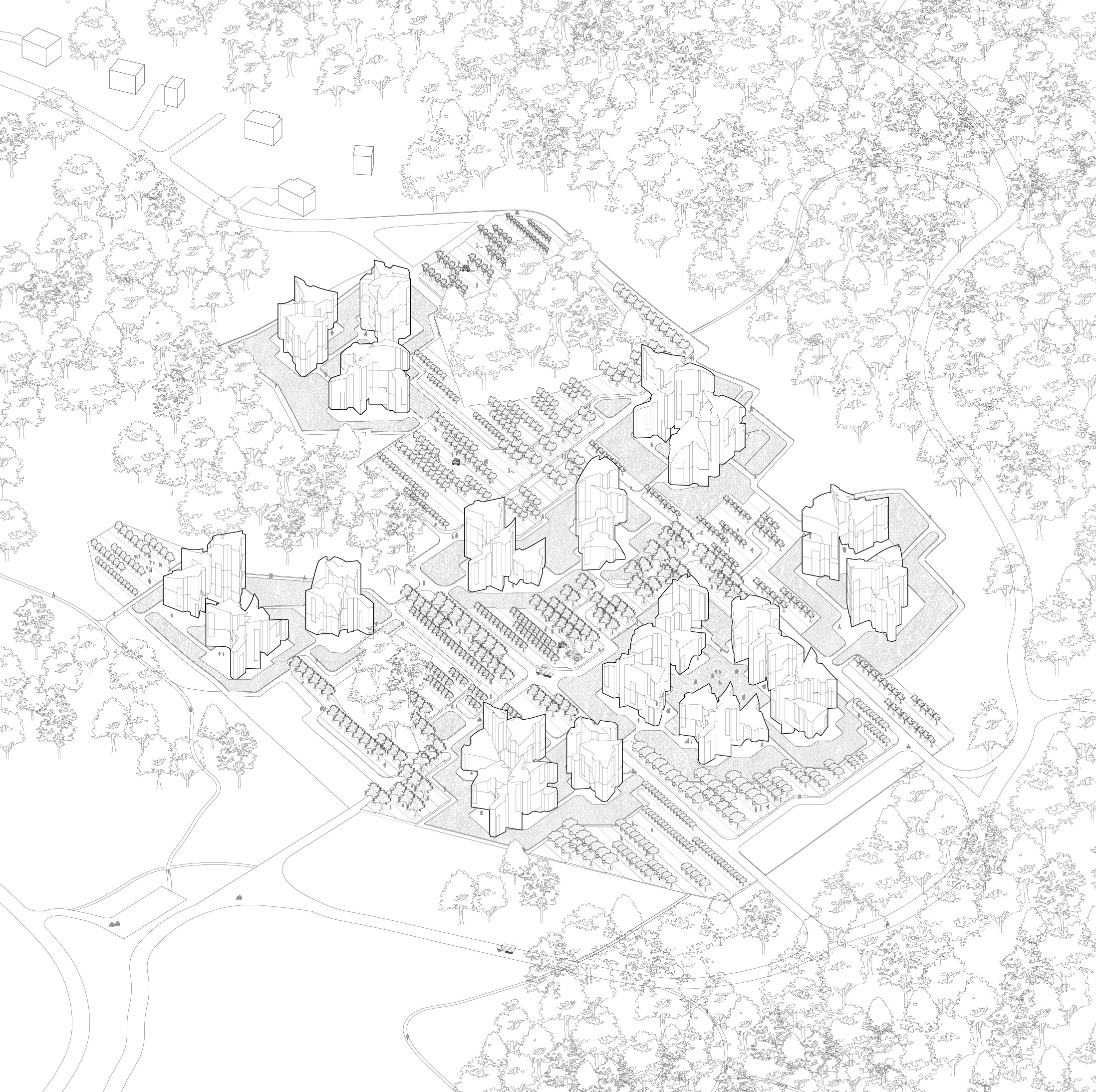
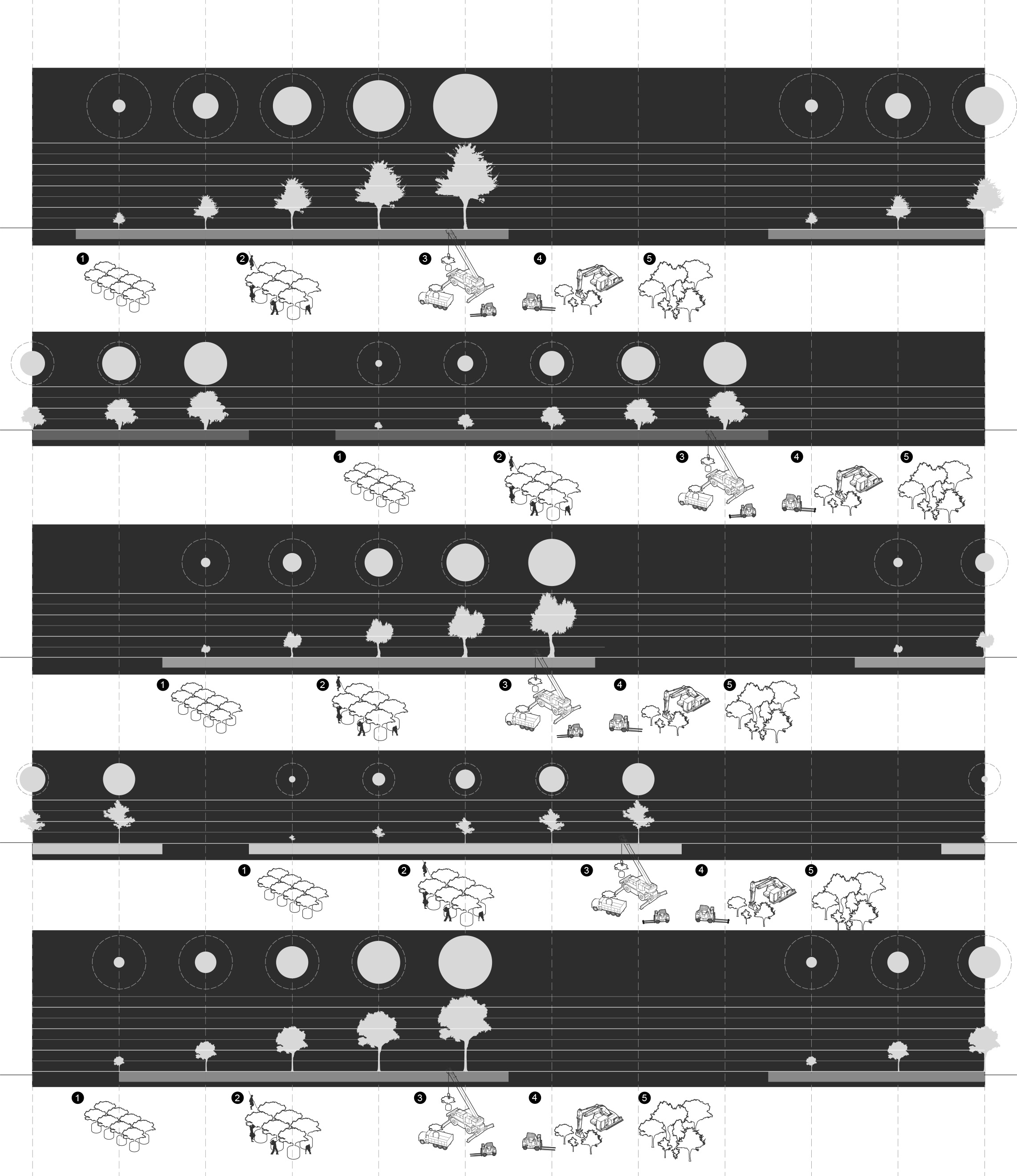
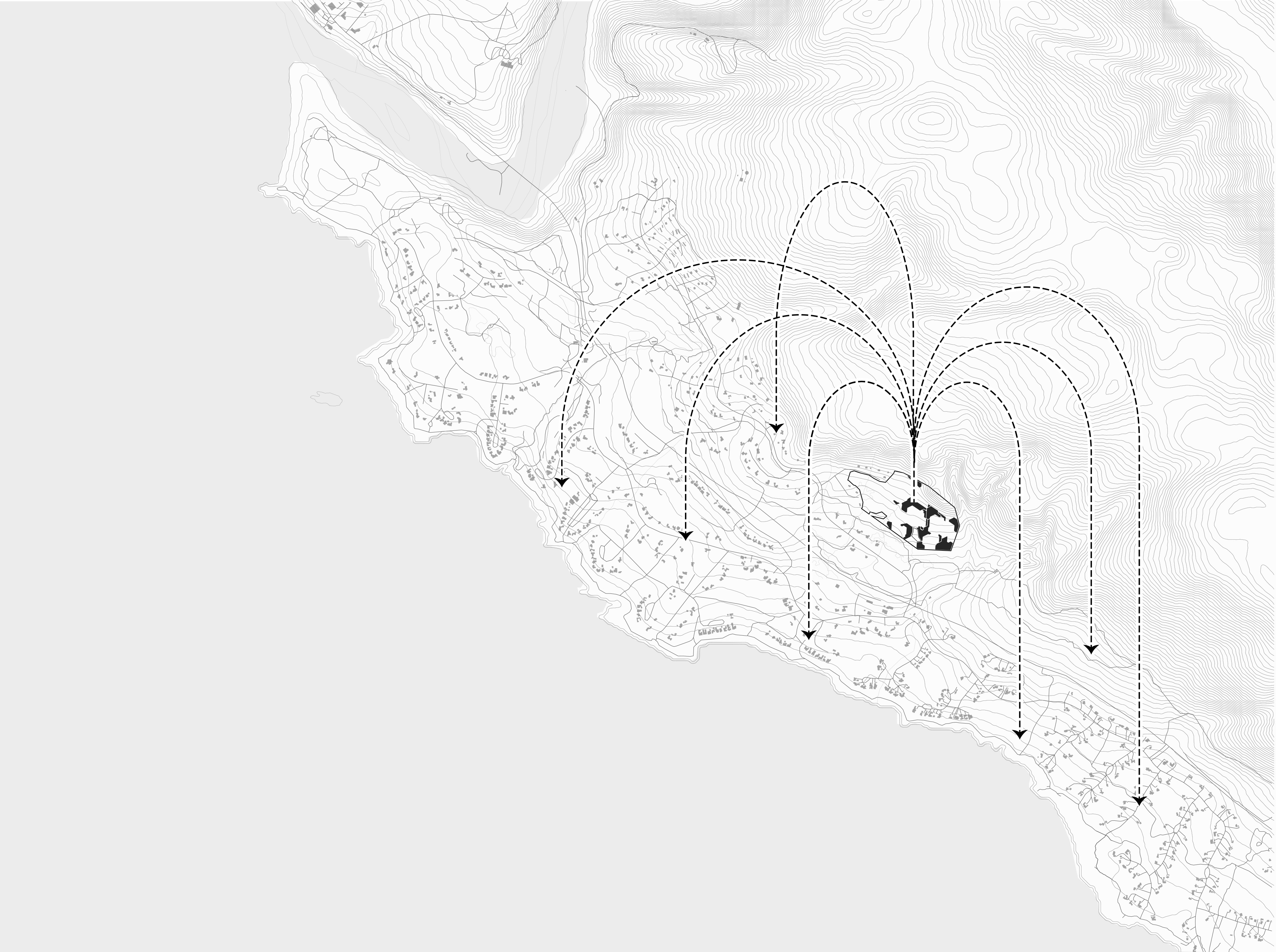
Ecologically, our approach responds to the risks created by imbalanced forests and non-native species. We propose a native tree nursery organized in five-year cycles, ensuring diverse ages and species across the site. Trees are planted in different zones and moments, forming a dynamic, mosaic-like landscape. A network of public and private paths connects the nursery to housing clusters, making walking an immersive, ecological experience. Formerly passive meadows are reimagined as productive systems that link residents to nature’s cycles, while the nursery also serves as a source for broader reforestation efforts in Sea Ranch and Northern California.
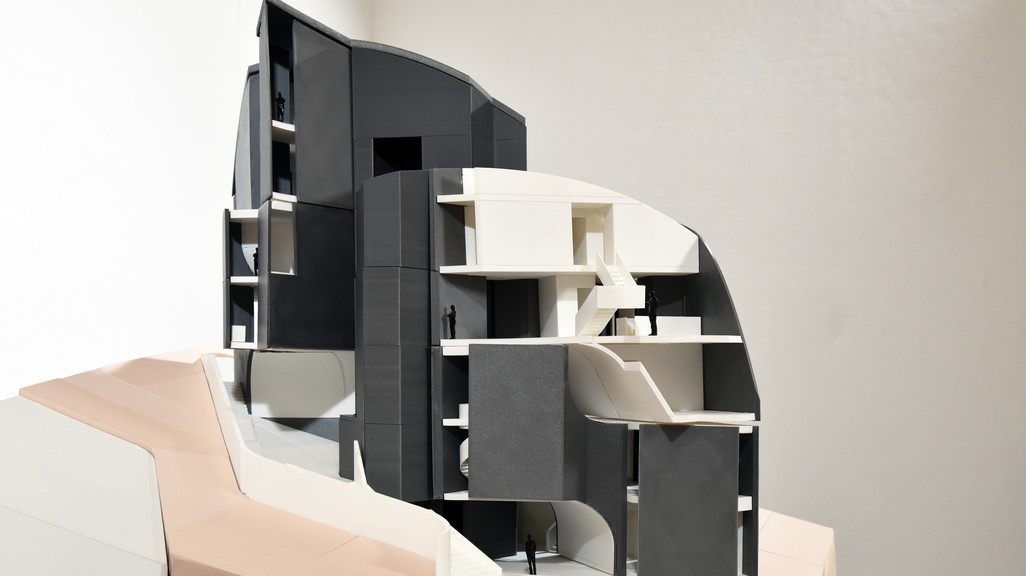
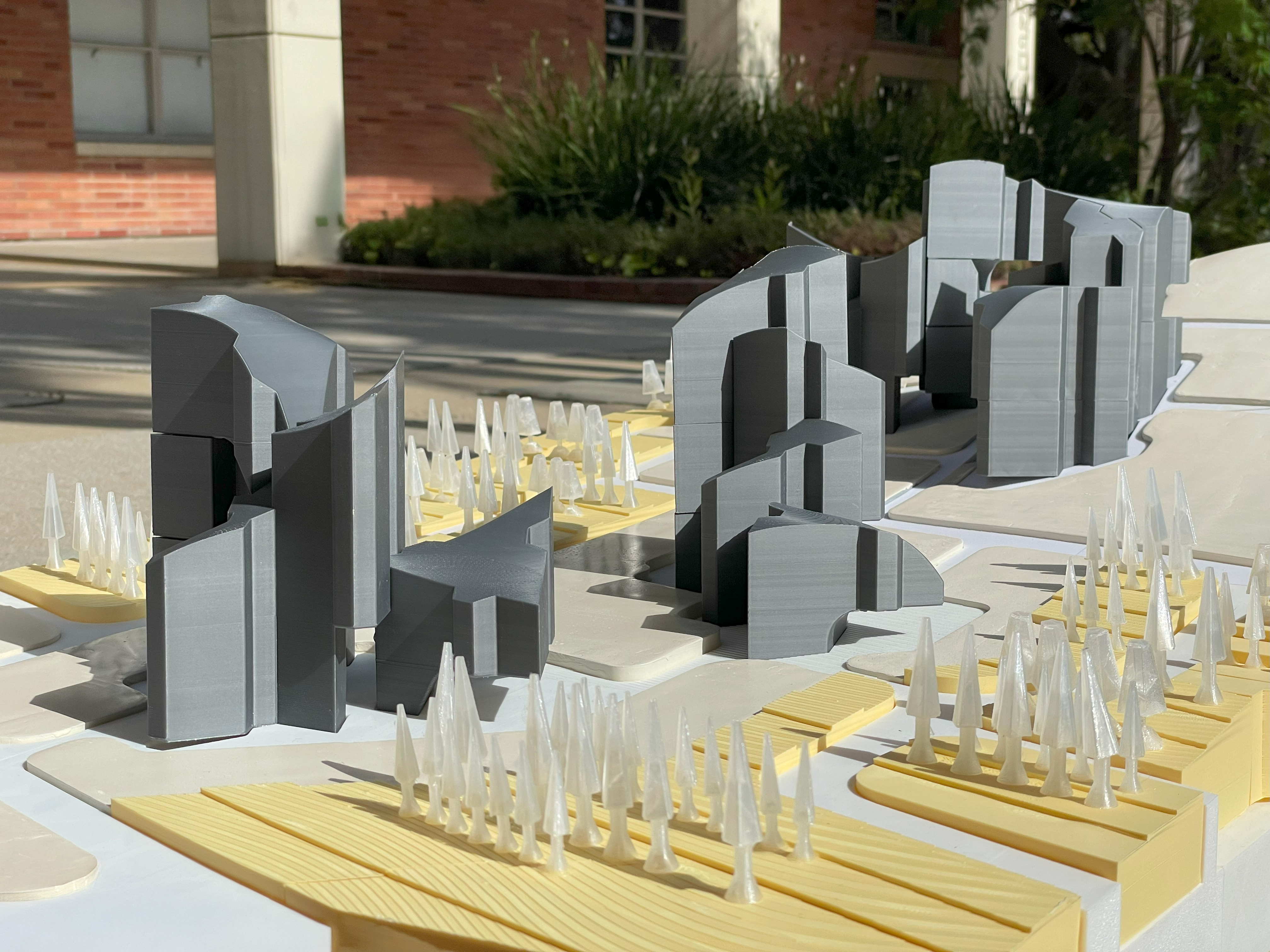
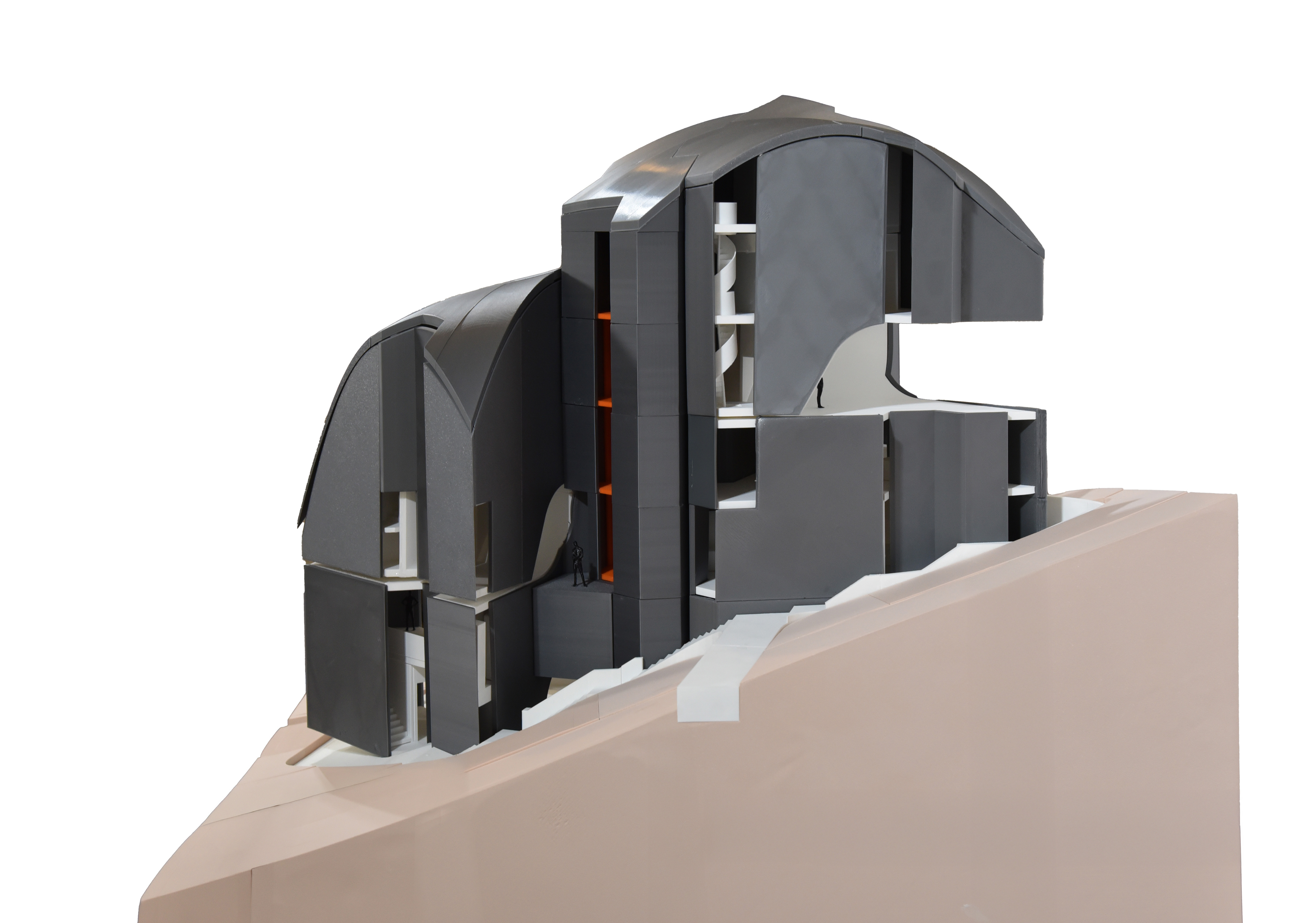
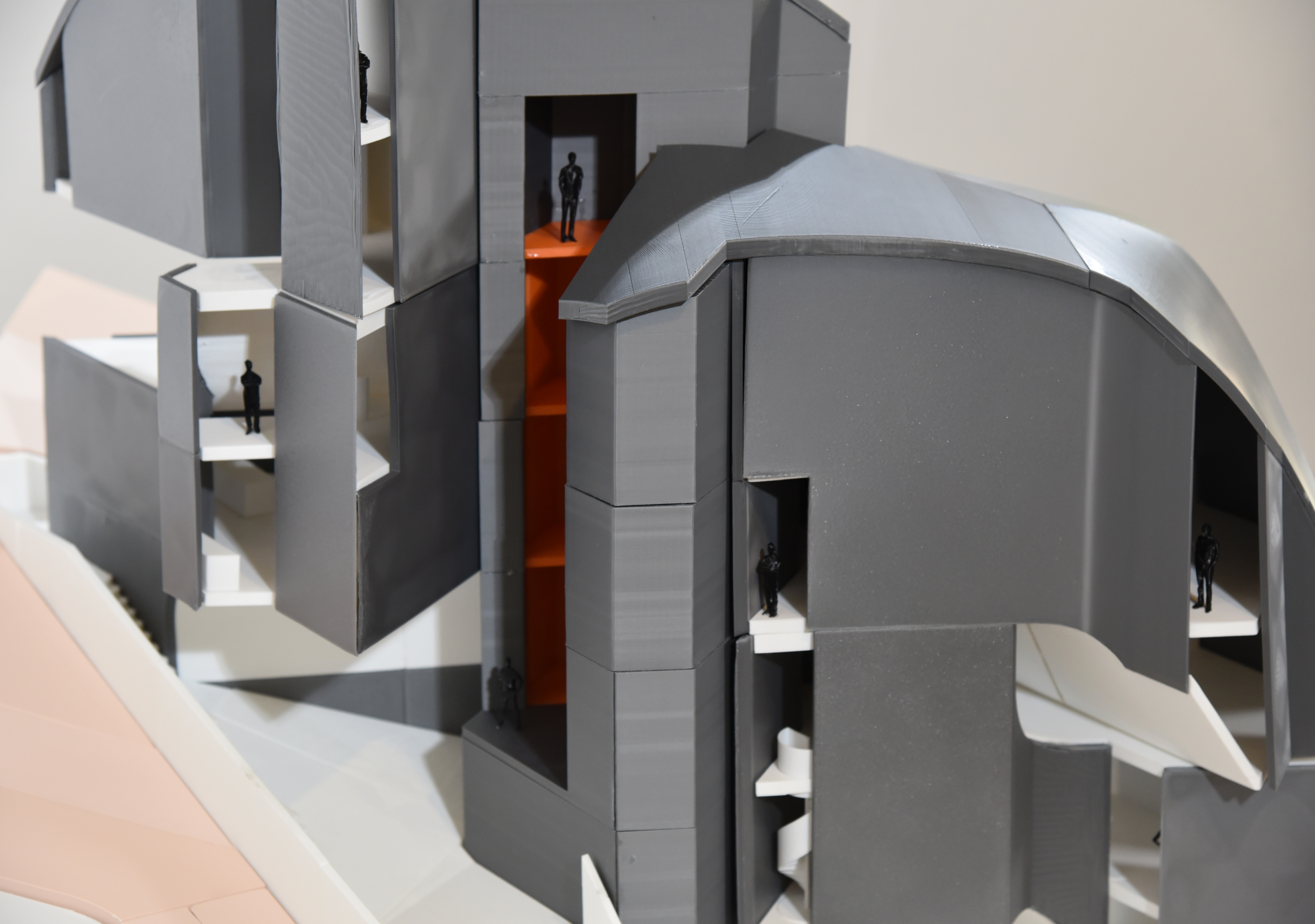
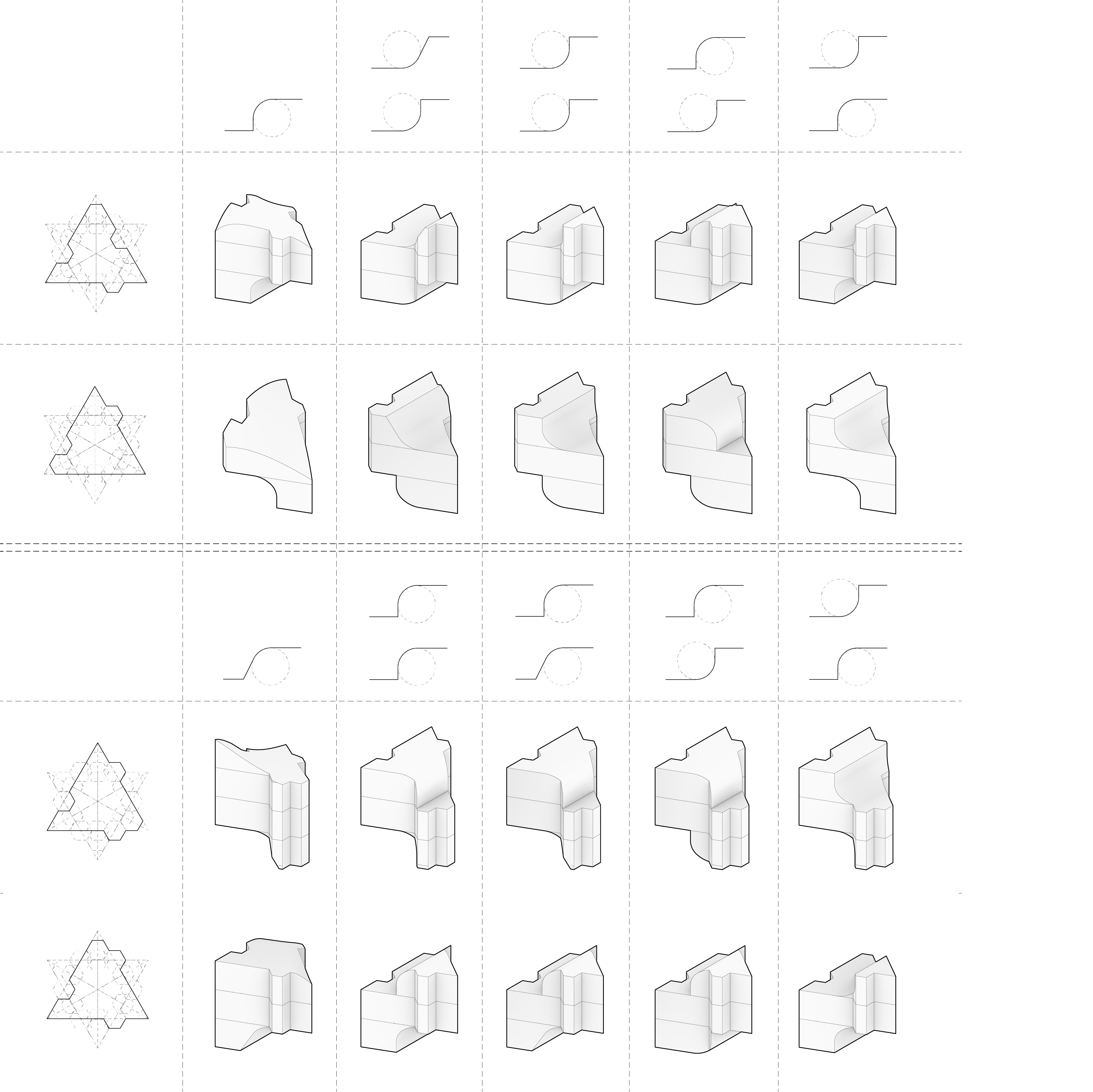
Demographically, Sea Ranch faces the challenge of sustaining a vibrant, multi-generational community. Our design addresses this through adaptable, affordable housing that attracts younger residents while fostering intergenerational connections. The housing system is modular, centered on a fire-resilient core that connects to customizable architectural modules. Standardized components allow flexibility in layout, enabling residents to choose configurations that fit their needs and actively participate in the assembly of their homes. This process not only creates architectural diversity but also cultivates a sense of ownership and community.
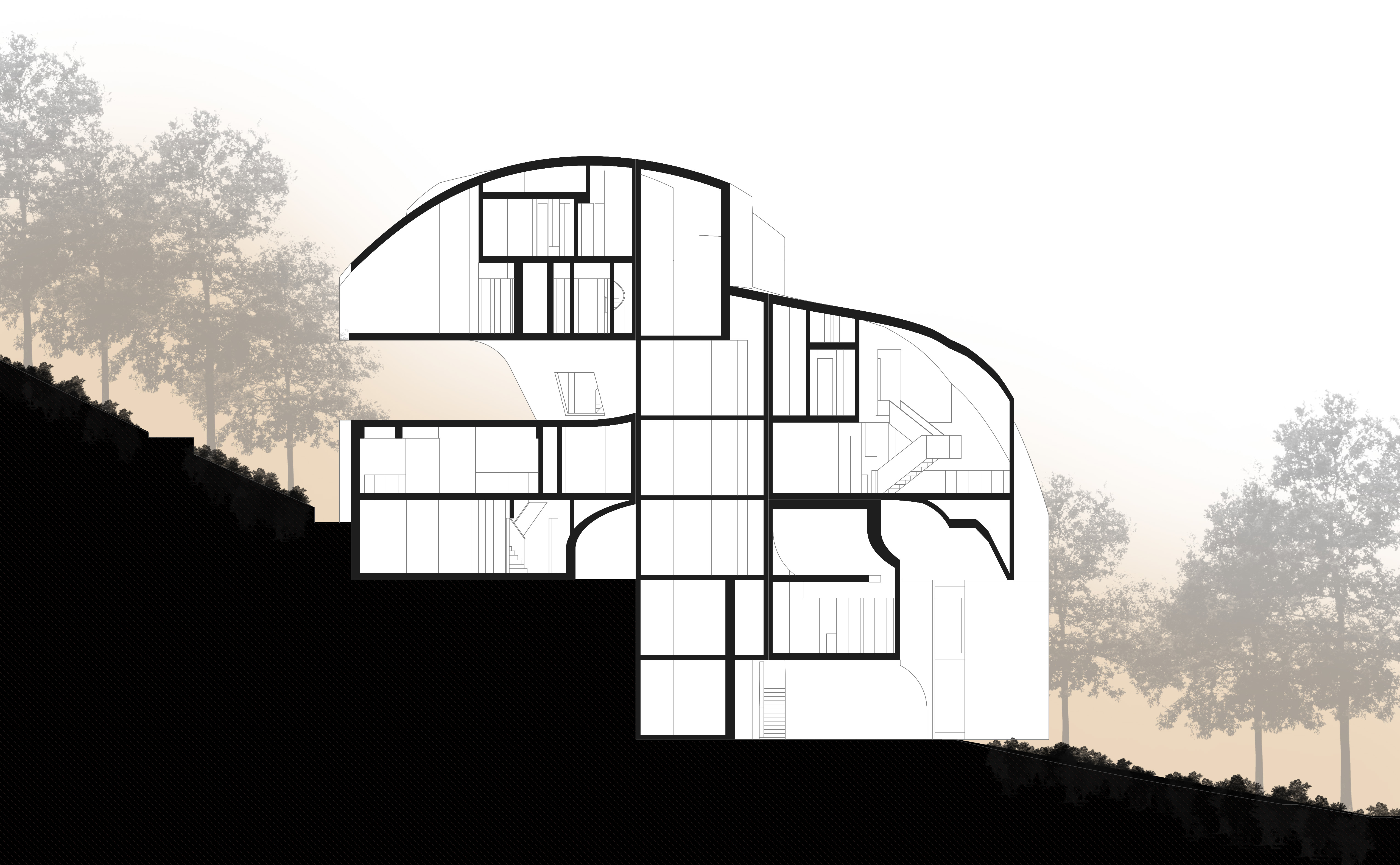
The architecture is designed to blur boundaries between indoors and outdoors, creating terraces, patios, and shared spaces that extend daily life into the forest. Clusters of modules vary in vertical combination and elevation, offering unique spatial experiences. Together, the housing and nursery form a living landscape where residents, visitors, and the ecosystem are engaged in a continuous cycle of mutual care. The nursery becomes the new shared space of Sea Ranch—a place of direct interaction with the land, where people and nature shape each other over time.
Ultimately, this proposal redefines sustainability as more than harm reduction—it embraces the understanding that we are part of nature, and that its cycles unfold through us, around us, and with us. Architecture, forest, and community are conceived as a single, evolving whole. This is not just a housing project; it is an experiment in a new way of living—one where people and nature sustain each other, build resilience together, and form enduring relationships grounded in shared responsibility and care.
Sea Ranch Studio
MSAUD ’25 Research Studio instructed by Jeffrey Inaba & Tucker van Leuwen-Hall
This studio explored architectural and urban strategies to address social and environmental challenges at Sea Ranch, including an aging population, limited affordable housing for younger generations, and increasing wildfire risks. Over three terms, students proposed new housing and public-space systems, beginning with AI as an exploratory tool and integrating insights from a site visit and community presentation.
Related Faculty |
Jeffrey Inaba, Tucker van Leuwen-Hall |
- Area Axonometric
- Site Master Plan
- Pieces Diagram
- Master Plan Scope
- Section
- Tree Rows
- Chunk Model Detail
- Chunk Model